

International travel involves more than just booking a flight and packing your bags. One crucial aspect that often catches travelers off guard is the variety of fees and charges associated with airports. Among these, the tax airport system represents a complex network of levies designed to fund infrastructure, security, and various services that make modern air travel possible. Understanding these charges, how they apply to your journey, and how to efficiently manage them can save both time and stress during your travels. Whether you're a frequent flyer or planning your first international trip, knowing what to expect from airport taxation systems ensures a smoother travel experience from departure to arrival.
What Is a Tax Airport System
The term tax airport refers to the comprehensive framework of fees, charges, and levies that governments and airport authorities impose on travelers and airlines. These financial mechanisms serve multiple purposes, from maintaining runways and terminals to funding security operations and environmental programs.
Components of Airport Taxation
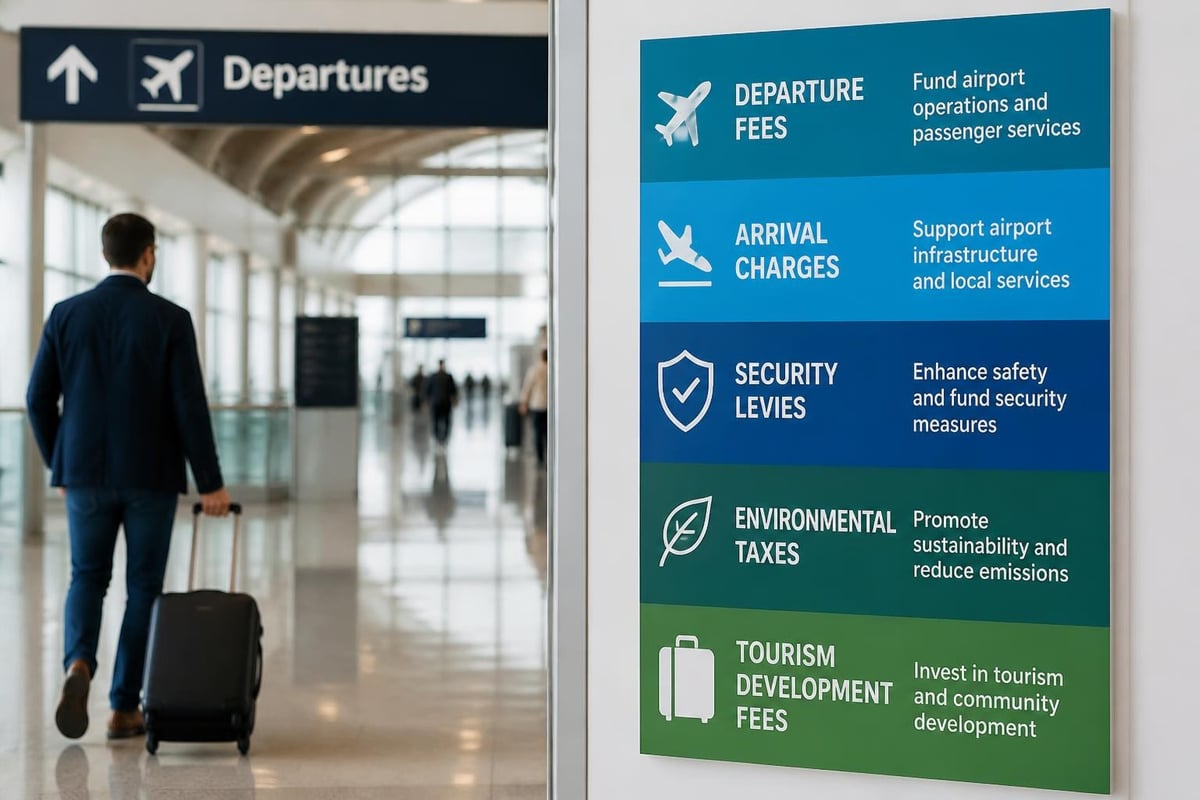
Airport taxes consist of several distinct categories that travelers encounter at different stages of their journey. Departure taxes are collected when leaving a country, while arrival fees apply when entering a destination. Some jurisdictions also impose transit taxes for passengers connecting through their facilities.
The structure of these charges varies significantly across regions:
- Passenger facility charges fund terminal improvements and expansions
- Security fees cover screening equipment and personnel
- Environmental levies address carbon offset programs and noise reduction
- Immigration and customs processing fees support border control operations
- Tourism development taxes promote destination marketing and infrastructure
According to comprehensive research on airport taxation, these fees can represent a substantial portion of your total travel cost, sometimes adding hundreds of dollars to international tickets.
How Tax Airport Charges Are Collected
Modern tax airport systems employ various collection methods to ensure compliance while minimizing passenger inconvenience. Most commonly, these charges are integrated directly into airline ticket prices, appearing as separate line items in your booking confirmation.
Pre-departure payment systems have gained popularity in recent years, particularly for tourism-focused destinations. These platforms allow travelers to settle their arrival taxes before leaving home, eliminating queues at destination airports.
For destinations with mandatory arrival fees, airports typically operate dedicated payment kiosks or counters. However, these can create bottlenecks during peak travel times, leading progressive destinations to encourage advance payment through digital platforms.
Regional Variations in Airport Tax Requirements
Airport taxation policies differ dramatically across the globe, reflecting each country's unique approach to funding aviation infrastructure and managing tourism flows. Understanding these regional differences helps travelers budget accurately and avoid surprises.
Caribbean and Island Destinations
Island nations have pioneered innovative tax airport approaches, recognizing that tourism represents their primary economic engine. Many Caribbean destinations impose visitor entry fees separate from standard airport charges.
These jurisdictions balance revenue generation with visitor experience by offering multiple payment channels. Travelers can typically pay online before departure, at airport kiosks upon arrival, or occasionally through their accommodation providers.
| Destination Type | Average Entry Tax | Payment Methods | Processing Time |
|---|---|---|---|
| Caribbean Islands | $25-75 | Online, Kiosk, Hotel | 5-15 minutes |
| European Union | Included in ticket | Airline | Automatic |
| Asia-Pacific | $10-50 | Kiosk, Online | 10-20 minutes |
| North America | Included in ticket | Airline | Automatic |
The Bonaire tax application form exemplifies this modern approach, enabling visitors to complete their tourist tax payment before traveling, thereby avoiding queues and ensuring immediate entry clearance upon arrival.
European Airport Tax Structures
European countries typically incorporate tax airport charges into ticket prices through agreements with airlines. The Air Passenger Duty in the United Kingdom and similar levies across the continent fund environmental initiatives and airport development projects.
These integrated systems provide convenience but reduce transparency, as travelers may not realize how much they're paying in taxes versus base airfare. Understanding the breakdown of airline ticket fees helps clarify these hidden costs.
Planning for Tax Airport Expenses
Budgeting for travel requires accounting for all potential charges, not just visible costs like flights and hotels. Tax airport fees can significantly impact your total expenses, particularly for family travel or multi-destination itineraries.
Research Before Booking
Begin your planning by investigating the specific tax airport requirements for your destination. Government tourism websites, embassy pages, and official airport sites typically publish current fee schedules and payment methods.
Key information to gather includes:
- Total amount of all applicable taxes and fees
- Accepted payment methods (cash, credit cards, online platforms)
- Currencies accepted for payment
- Whether advance payment is available or required
- Processing time at airport facilities
- Exemptions for children, seniors, or transit passengers
Many destinations update their fee structures annually, so verify information within three months of travel to ensure accuracy.
Advance Payment Benefits
Paying your tax airport fees before departure offers numerous advantages beyond simple convenience. Time savings rank highest among these benefits, as pre-payment eliminates the need to locate payment kiosks, stand in queues, or exchange currency upon arrival.
Financial benefits also exist, as some jurisdictions offer modest discounts for advance online payment. More importantly, paying in your home currency through secure online platforms protects against unfavorable airport exchange rates and transaction fees.

Documentation is another critical advantage. Online payment systems provide immediate confirmation receipts that serve as proof of payment if questions arise at immigration. These digital records also integrate seamlessly with travel documentation apps and email organization systems.
Common Challenges with Tax Airport Systems
Despite modernization efforts, travelers still encounter obstacles when navigating airport taxation requirements. Awareness of these potential issues enables better preparation and smoother problem resolution.
Payment Processing Issues
Technology failures occasionally disrupt tax airport payment systems, particularly in destinations with developing infrastructure. Kiosk malfunctions, internet connectivity problems, or system overloads during peak travel periods can create delays.
Mitigation strategies include:
- Carrying proof of attempted online payment
- Having multiple payment methods available (different credit cards, cash in local currency)
- Allowing extra time at the airport for potential processing delays
- Screenshotting confirmation numbers and payment receipts
Currency and Exchange Rate Concerns
Destinations that require cash payment in local currency present challenges for arriving travelers. Airport exchange counters typically offer poor rates, and ATM availability isn't guaranteed before clearing immigration.
Research on airport taxes and associated costs reveals that currency-related fees can add 5-10% to your actual tax airport obligation. Online advance payment in your home currency eliminates this unnecessary expense.
The Future of Tax Airport Collection
Aviation industry trends point toward increasing digitization and integration of tax airport systems. Blockchain technology, biometric processing, and artificial intelligence are transforming how destinations manage these revenue streams.
Digital Integration Trends
Leading airports are implementing seamless digital payment ecosystems that connect with airline booking systems, travel apps, and government immigration databases. These integrated platforms enable complete pre-clearance, allowing qualified travelers to bypass traditional checkpoints entirely.
Emerging technologies reshaping tax airport collection:
- Biometric payment systems linked to passenger profiles
- Blockchain-based verification of fee payment across jurisdictions
- AI-powered dynamic pricing based on travel patterns
- Mobile wallet integration for instant processing
- Automated refund systems for qualifying passengers
Sustainability and Environmental Fees
Environmental consciousness is driving new tax airport categories focused on carbon offsetting and sustainability initiatives. According to analysis of airport tax purposes, these green levies are expected to increase significantly as countries pursue climate commitments.
Travelers should anticipate higher fees for destinations implementing comprehensive environmental programs. However, these charges often fund tangible improvements in renewable energy infrastructure, waste reduction, and ecological preservation that enhance long-term destination appeal.

Strategies for Managing Tax Airport Costs
Smart travelers employ various tactics to minimize the financial impact and logistical burden of airport taxation while maintaining full compliance with requirements.
Comparison Shopping
Not all routes to the same destination carry identical tax airport charges. Connecting flights through different hubs may offer lower combined fees, particularly when avoiding high-tax jurisdictions.
| Route Example | Direct Flight Tax | One-Stop Tax | Two-Stop Tax |
|---|---|---|---|
| US to Europe | $45-85 | $35-65 | $30-55 |
| US to Asia | $65-120 | $50-90 | $45-75 |
| US to Caribbean | $50-95 | $40-75 | Not common |
However, consider total travel time and connection reliability alongside tax savings. A modest fee reduction rarely justifies significantly extended journey times or increased connection risks.
Family and Group Considerations
Tax airport charges typically apply per person regardless of age, though some destinations offer reduced rates for children or exemptions for infants. Family travel multiplies these costs quickly, making advance research particularly important for budget planning.
Group coordinators should investigate whether destinations offer streamlined processing for tour groups or bulk payment options. Some locations provide dedicated processing lanes for pre-paid groups, significantly reducing arrival time.
Loyalty Program Benefits
Premium airline status and certain credit card programs occasionally include fee waivers or reimbursements for specific tax airport charges. Review your loyalty program benefits annually, as carriers regularly adjust their offerings.
Information on various airport tax types indicates that while passenger facility charges are rarely waivable, some premium programs cover lounge access fees, expedited immigration processing costs, or environmental levies.
Documentation and Compliance
Maintaining proper documentation of tax airport payment protects against delays, fines, or entry denial. Modern digital systems make record-keeping simpler, but travelers should still follow best practices.
Essential Records to Keep
Create a dedicated travel folder (physical or digital) containing all fee payment confirmations for your trip. Include confirmation numbers, receipt copies, and any communication with payment processors or immigration authorities.
Critical documents to retain:
- Online payment confirmation emails with unique transaction IDs
- Credit card or bank statements showing the charge
- Screenshots of payment portal confirmation screens
- Any official receipts provided by kiosks or immigration officers
- Correspondence regarding payment issues or questions
These records should remain accessible throughout your journey and for several months afterward, as some destinations audit compliance retroactively.
Handling Disputes
Occasionally, technical errors or administrative mistakes create payment disputes despite proper compliance. Remain calm and polite when addressing these situations with immigration or airport officials.
Present your documentation clearly and chronologically, explaining the steps you took to fulfill requirements. Most disputes resolve quickly when travelers can demonstrate good-faith compliance efforts and provide supporting evidence.
Health and Safety Tax Components
Recent global health events have introduced new tax airport categories related to health screening, quarantine facility maintenance, and disease prevention infrastructure. These charges reflect the expanded role airports play in public health protection.
Understanding these health-related fees helps travelers appreciate the comprehensive safety measures protecting them during their journey. While these charges increase overall costs, they fund critical systems that enable safer international travel in 2026.
Public Health Infrastructure Funding
Modern airports maintain sophisticated health screening facilities, isolation areas, and testing capabilities that require ongoing investment. Tax airport revenue designated for health purposes supports these essential services.
Insights into airport funding mechanisms explain how these collected fees translate into tangible security and health improvements that benefit all travelers.
Destinations with robust health screening programs often process arriving passengers more efficiently, as systematic funding ensures adequate staffing and equipment availability. The upfront tax investment creates downstream time savings during peak travel periods.
Special Circumstances and Exemptions
Many tax airport systems include provisions for reduced fees or complete exemptions based on traveler characteristics or journey purposes. Understanding these special circumstances can result in significant savings for qualifying individuals.
Diplomatic and Official Travel
Government officials, diplomatic personnel, and individuals traveling on official state business often receive exemptions from standard airport taxation. These waivers typically require advance notification and proper documentation of travel purpose.
International conventions and bilateral agreements govern these exemptions, creating complex frameworks that vary by country pair. Travelers claiming diplomatic exemptions should coordinate with their sponsoring agencies to ensure proper protocols are followed.
Transit Passenger Considerations
Passengers connecting through airports without entering the country may qualify for reduced tax airport charges or complete exemptions. However, definitions of "transit" vary significantly across jurisdictions.
Some destinations consider any connection under 24 hours as transit, while others require passengers to remain airside without clearing immigration. Minimum and maximum connection times may also affect eligibility for transit exemptions.
Children, Students, and Residents
Age-based reductions commonly apply to children, with infants under two years typically exempt from most charges. Student travelers may qualify for reduced rates when presenting valid educational institution documentation.
Permanent residents and citizens of the destination country generally face different fee structures than international tourists, often paying reduced amounts or settling annual taxes through other mechanisms.
Understanding tax airport requirements and planning accordingly transforms these necessary charges from stressful surprises into manageable travel components. By researching destination-specific fees, utilizing advance payment options when available, and maintaining proper documentation, travelers ensure smooth arrivals and departures while supporting the infrastructure that makes modern aviation possible. For visitors to Bonaire, Bonaire Tax provides a convenient solution to complete your tourist tax payment before arrival, allowing you to bypass kiosk queues and begin enjoying your Caribbean destination immediately upon landing.