

Bonaire Island stands as one of the Caribbean's best-kept secrets, a slender crescent of land where desert landscapes meet some of the world's most pristine coral reefs. Located in the southern Caribbean Sea, approximately 50 miles north of Venezuela, this Dutch special municipality has earned its reputation as a diver's paradise and nature lover's sanctuary. Unlike its more commercialized Caribbean neighbors, Bonaire Island has deliberately chosen a path of sustainable development, preserving its natural beauty while welcoming visitors who appreciate unspoiled wilderness and authentic island culture.
Geography and Natural Environment
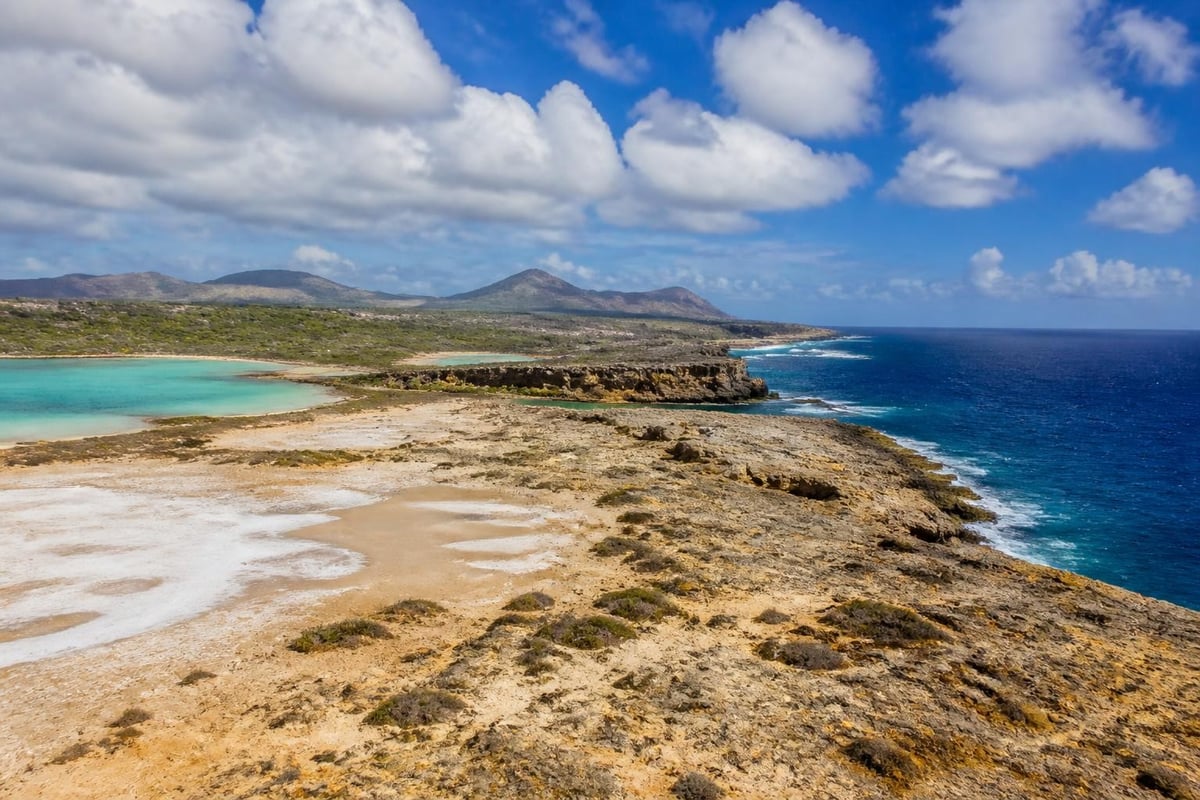
Bonaire Island stretches approximately 24 miles long and varies between 3 to 7 miles wide, creating a distinctive boomerang shape that embraces the Caribbean Sea. The island's geological composition differs dramatically from volcanic Caribbean islands, as it emerged from ancient coral formations that rose from the ocean floor millions of years ago.
The terrain features dramatic contrasts that surprise first-time visitors. The southern region showcases stark, moonlike landscapes with white salt flats and pink salt pans that have been harvested since the 17th century. These crystalline expanses create surreal vistas where flamingos gather in massive flocks, their pink plumage mirroring the sunset-colored waters.
Climate and Weather Patterns
The island benefits from a consistently warm, arid climate year-round, with temperatures hovering between 78°F and 88°F. Rainfall remains minimal, averaging only 22 inches annually, concentrated primarily between October and January. This dry climate results from Bonaire's position outside the hurricane belt, making it one of the Caribbean's most reliable destinations for year-round travel.
Trade winds provide constant cooling breezes, particularly on the eastern windward coast where waves crash against limestone cliffs. The western leeward side offers calmer waters perfect for diving and snorkeling, creating natural protection for the coral reef systems that define the island's underwater landscape.
Marine Ecosystem and Conservation
The waters surrounding Bonaire Island contain some of the most accessible and well-preserved coral reefs in the world. The Bonaire National Marine Park, established in 1979, encompasses the entire coastline from the high-water mark to a depth of 200 feet, protecting over 2,700 hectares of pristine underwater habitat.
Coral Reef Systems
Approximately 86 marked dive sites circle the island, each offering distinct underwater topography and marine life encounters. The reef structure features three main zones: a shallow terrace extending 30 to 100 yards from shore, a gentle slope descending to 30 feet, and a dramatic drop-off plunging to depths exceeding 100 feet.
Coral diversity includes brain corals, elkhorn formations, staghorn clusters, and vibrant soft corals that create underwater gardens. These living structures support an extraordinary array of marine species, from microscopic organisms to apex predators.
| Marine Life Category | Notable Species | Best Viewing Season |
|---|---|---|
| Sea Turtles | Hawksbill, Green, Loggerhead | Year-round |
| Large Fish | Tarpon, Barracuda, Grouper | March – September |
| Reef Fish | Angelfish, Parrotfish, Butterflyfish | Year-round |
| Macro Life | Seahorses, Frogfish, Nudibranchs | November – April |
The accessibility of shore diving distinguishes Bonaire from other destinations. Visitors can park their vehicles steps from entry points, gear up, and walk directly into world-class diving sites without requiring boat transportation. This convenience has made the island particularly attractive to independent divers and underwater photographers.
Terrestrial Wildlife and Natural Areas
Beyond its marine treasures, Bonaire Island supports unique terrestrial ecosystems adapted to the arid Caribbean environment. Washington Slabaai National Park occupies the northwestern portion of the island, encompassing over 13,500 acres of protected wilderness.
The park features diverse habitats including coastal scrublands, inland lagoons, dramatic coastal cliffs, and hills reaching 784 feet at Mount Brandaris, the island's highest point. Hiking trails wind through cacti forests where towering kadushi and yatu plants create otherworldly landscapes.
Flamingo Populations
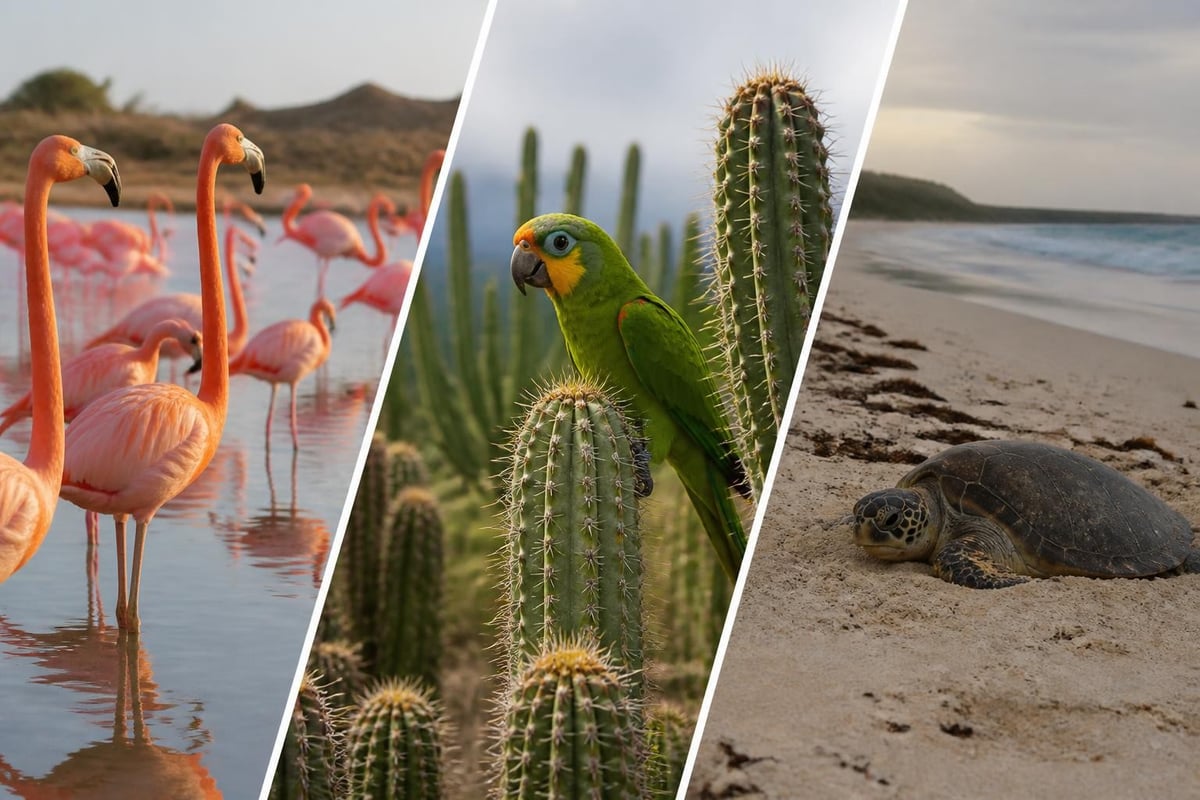
Bonaire Island hosts one of the Caribbean's largest flamingo breeding colonies, with populations fluctuating between 2,000 and 7,000 birds depending on breeding cycles. These American flamingos gather primarily in the southern salt works and Gotomeer lagoon in the north.
The birds' distinctive pink coloration comes from carotenoid pigments in the algae and brine shrimp they consume. Breeding season typically occurs between January and July, when visitors might observe elaborate courtship displays and, if fortunate, the rare sight of flamingo chicks in their protected nesting grounds.
Bird Watching Highlights:
- Yellow-shouldered Amazon parrots (endemic subspecies)
- Brown pelicans diving along coastal areas
- Caribbean parakeets in Washington Slabaai
- Snowy egrets and great blue herons in lagoons
- Frigate birds soaring on thermal currents
Cultural Heritage and History
The human story of Bonaire Island extends back at least 4,500 years to the Caquetio people, an Arawak subgroup who arrived from South America. Archaeological sites throughout the island reveal ancient settlements, cave paintings, and shell middens that document pre-Columbian life.
Spanish explorers arrived in 1499, and the island subsequently changed hands between Spanish, Dutch, and briefly British control. The Dutch West India Company established permanent settlement in 1636, introducing enslaved Africans who were forced to work in salt production and agriculture.
Modern Political Status
Today, Bonaire operates as a special municipality of the Netherlands, a unique political arrangement established in 2010 when the Netherlands Antilles dissolved. This status means the island follows Dutch law while maintaining local governance through the Public Entity Bonaire.
The population of approximately 22,000 residents creates a tight-knit community where Papiamento, Dutch, English, and Spanish blend in daily conversation. Papiamento, a Creole language mixing Portuguese, Spanish, Dutch, and African elements, serves as the primary local language and represents the island's multicultural heritage.
Activities and Outdoor Recreation
While diving and snorkeling dominate visitor activities, Bonaire Island offers diverse outdoor pursuits adapted to its unique environment.
Wind and Water Sports
The consistent trade winds that sweep across the eastern shore have transformed Lac Bay into a world-renowned windsurfing and kiteboarding destination. The shallow, protected lagoon provides ideal conditions for beginners, while experienced riders venture into open waters where winds regularly exceed 20 knots.
Kayaking through mangrove forests in Lac Bay offers intimate encounters with juvenile fish, rays, and the unique ecosystem where terrestrial and marine environments merge. The mangroves serve as crucial nurseries for reef fish and protect coastlines from erosion.
Land-Based Exploration
Mountain biking has gained popularity on Bonaire, with trails ranging from coastal roads to challenging paths through Slabaai's rugged terrain. The relatively flat southern regions suit casual cyclists, while northern hills test endurance and technical skills.
Popular Hiking Destinations:
- Mount Brandaris summit trail (challenging, 3-4 hours round trip)
- Seru Largu coastal path (moderate, panoramic ocean views)
- Boka Chikitu limestone formations (easy, geological wonders)
- Gotomeer flamingo observation trails (easy, wildlife viewing)
Exploring what makes Bonaire unique reveals that the island's appeal extends beyond single activities to an integrated experience of nature, culture, and sustainable tourism philosophy.
Sustainable Tourism Practices
Bonaire Island has positioned itself as a leader in Caribbean sustainable tourism, implementing strict environmental protections that preserve its natural assets while supporting the local economy.
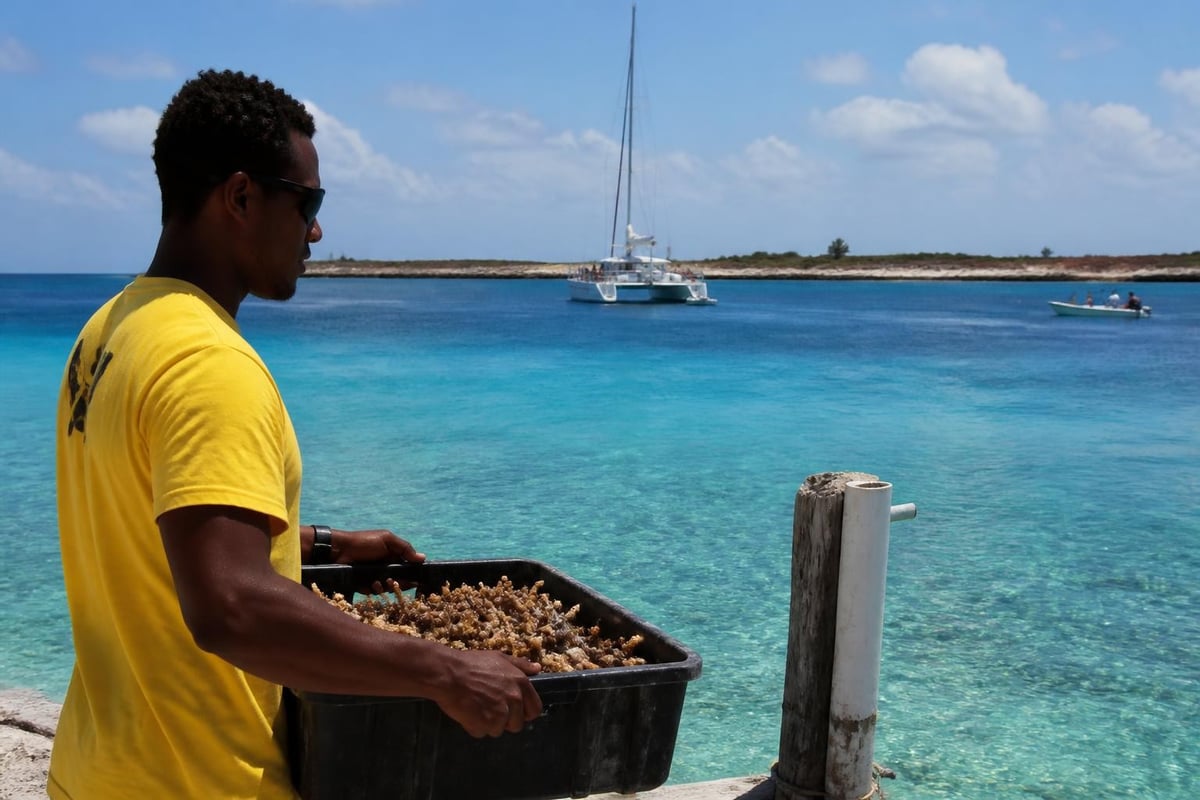
All divers and snorkelers must complete a mandatory orientation and purchase marine park tags, with fees directly supporting reef management and conservation programs. Anchoring on coral is prohibited, replaced by moorings at all designated dive sites.
The island banned single-use plastics in 2018, well ahead of many destinations. Visitors find reusable bag policies in grocery stores and restaurants actively promoting sustainable practices. Solar energy installations have increased significantly, with goals to transition to renewable energy sources by 2030.
Visitor Entry Tax Implementation
To further support sustainable development, foreign visitors must pay an entry tax that funds education, infrastructure improvements, and tourism sustainability initiatives. While this can be paid upon arrival, completing the process in advance helps visitors avoid queues and streamline their entry experience.
Accommodation and Infrastructure
The island's lodging options reflect its commitment to low-density development, with no high-rise hotels or massive resort complexes disrupting the landscape. Most accommodations consist of small hotels, apartments, and vacation rentals that integrate into residential neighborhoods.
Properties concentrate along the western coast between Kralendijk, the capital and main town, and the northern dive sites. This distribution provides easy access to shore diving while maintaining the island's relaxed, uncrowded atmosphere.
| Accommodation Type | Typical Features | Best For |
|---|---|---|
| Dive Resorts | On-site dive shop, tank fills, gear storage | Dedicated divers |
| Beachfront Condos | Full kitchens, weekly rates, ocean access | Extended stays, families |
| Downtown Hotels | Walking to restaurants, shops, services | Non-divers, cultural explorers |
| Eco-Lodges | Solar power, rainwater collection, nature focus | Environmentally conscious travelers |
Restaurants range from casual beach bars serving fresh seafood to upscale establishments offering international cuisine. The culinary scene emphasizes local ingredients, with fresh fish, conch, and goat featured prominently alongside Dutch, Indonesian, and Caribbean influences.
Practical Visitor Information
Transportation on Bonaire Island requires a rental vehicle for most visitors, as public transit options remain limited. The main road circles the island, with well-maintained pavement and clear signage to major attractions. Pickup trucks prove popular for carrying dive gear, though standard cars suffice for general exploration.
Flamingo International Airport receives direct flights from Amsterdam, several North American cities, and connections through Aruba and Curaçao. The compact terminal and efficient processing make arrival and departure straightforward, though visitors should allow time for completing necessary entry requirements.
Health and Safety Considerations
Medical facilities include a modern hospital in Kralendijk with emergency services and hyperbaric chamber for diving-related incidents. Pharmacies stock common medications, though visitors should bring prescription drugs and specialty items.
The island maintains low crime rates, with standard precautions sufficient for personal safety. The primary concerns involve marine hazards like fire coral, sea urchins, and strong currents at certain sites. Following posted warnings and respecting local guidance ensures safe exploration.
Essential Packing Items:
- Reef-safe sunscreen (chemical sunscreens damage coral)
- Rash guard or dive skin for sun protection
- Sturdy water shoes for rocky entries
- Reusable water bottle (tap water is safe)
- Basic first aid supplies including antihistamines
Understanding Bonaire’s historical context enriches the visitor experience, connecting present-day conservation efforts to centuries of human interaction with this unique Caribbean environment.
Best Times to Visit
While Bonaire Island offers excellent conditions year-round, subtle seasonal variations influence the visitor experience. Water visibility typically peaks between March and October, often exceeding 100 feet and creating spectacular underwater photography conditions.
November through February brings slightly higher chances of rain and occasional stronger winds, though these rarely persist for extended periods. These months also coincide with peak flamingo breeding activity and excellent conditions for windsurfing enthusiasts seeking stronger breezes.
Water temperatures remain consistently warm, ranging from 78°F to 84°F throughout the year. Most divers find 3mm wetsuits adequate, with some preferring dive skins or rash guards during summer months.
Tourism patterns show two peak seasons: December through March when North Americans and Europeans escape winter weather, and July through August during European summer holidays. Shoulder seasons in April-May and September-November offer excellent value with fewer crowds and unchanged natural conditions.
Planning Your Bonaire Experience
Successful trips to Bonaire Island begin with understanding the destination's unique character and aligning expectations accordingly. This is not a party island with nightclubs and casinos, but rather a sanctuary for those seeking authentic nature experiences and world-class diving in a relaxed, unpretentious setting.
First-time visitors should allocate at least five to seven days to appreciate the island properly. This timeframe allows for exploring both underwater and terrestrial attractions without rushing, with rest days built in for those diving frequently.
Booking accommodations and rental vehicles well in advance proves essential during peak seasons, as the island's limited inventory fills quickly. Early reservations also secure better rates and preferred locations.
Divers should verify certification status before arrival and consider refresher courses if substantial time has elapsed since last diving. The island's numerous dive operators offer everything from introductory experiences to technical diving instruction.
For detailed information about planning activities and attractions, visitors can research options that match their interests and fitness levels, ensuring a well-rounded itinerary that captures Bonaire's diverse offerings.
Environmental Responsibility
Every visitor to Bonaire Island plays a role in preserving the fragile ecosystems that make the destination special. Simple actions compound into significant positive impacts when practiced by thousands of annual visitors.
Responsible Visitor Practices:
- Never touch, stand on, or collect coral
- Maintain proper buoyancy to avoid reef contact
- Use only reef-safe sunscreen and personal care products
- Dispose of all trash properly and participate in beach cleanups
- Respect wildlife viewing distances, especially with flamingos
- Support local businesses and sustainable tour operators
- Conserve water and electricity in accommodations
- Choose reusable items over single-use alternatives
The island's "Take only pictures, leave only bubbles" philosophy extends beyond diving to encompass all visitor interactions with the environment. Conservation-minded travelers find Bonaire's commitment to environmental protection refreshing and inspiring.
Bonaire Island represents a remarkable model of balancing tourism with environmental preservation, offering visitors extraordinary natural experiences while actively protecting the ecosystems that define its character. Whether you're planning your first visit or returning to familiar shores, preparing properly ensures smooth entry and supports the island's sustainability initiatives. Bonaire Tourist Tax makes it easy to complete your entry tax requirements before arrival, helping you skip queues at the airport and begin your island adventure immediately while contributing to the conservation programs that keep Bonaire pristine for future generations.