

The Caribbean island of Bonaire offers pristine coral reefs, world-class diving, and a unique political status that shapes its entire fiscal approach. As a special municipality of the Netherlands since 2010, Bonaire operates under a distinct tax framework that differs significantly from both its Caribbean neighbors and the European Netherlands. Understanding the bonaire tax system is essential for visitors planning their tropical getaway and for those considering longer stays on this remarkable island.
The Unique Status of Bonaire and Its Tax Implications
Bonaire's position as a special municipality creates a fascinating blend of European governance and Caribbean culture. Unlike Aruba and Curaçao, which are autonomous countries within the Kingdom of the Netherlands, Bonaire maintains direct ties to the Netherlands while preserving its Caribbean identity. This unique arrangement means the island uses the United States dollar as its official currency despite its Dutch connection, and operates under the BES Tax Act rather than standard Dutch tax law.
The island's fiscal independence allows authorities to craft tax policies specifically designed for Bonaire's economic reality and development needs. This autonomy has resulted in a simplified tax structure that benefits both residents and the tourism industry that forms the backbone of the local economy.
How Bonaire's Special Municipality Status Shapes Taxation
The dissolution of the Netherlands Antilles in 2010 fundamentally transformed Bonaire's administrative landscape. The island became one of three special municipalities (alongside Sint Eustatius and Saba) with direct representation in the Dutch parliament while maintaining substantial local control over fiscal matters.
This arrangement creates several practical advantages:
- Simplified regulatory framework compared to standard Dutch provinces
- Direct access to Dutch government funding for infrastructure projects
- Flexibility to adapt tax policies to Caribbean economic conditions
- Protection under Dutch law while maintaining local governance
- Eligibility for European development programs unavailable to neighboring islands
The government of Bonaire regularly reviews and adjusts tax policies to reflect changing economic conditions while maintaining competitive advantages that attract visitors and investors to the island.
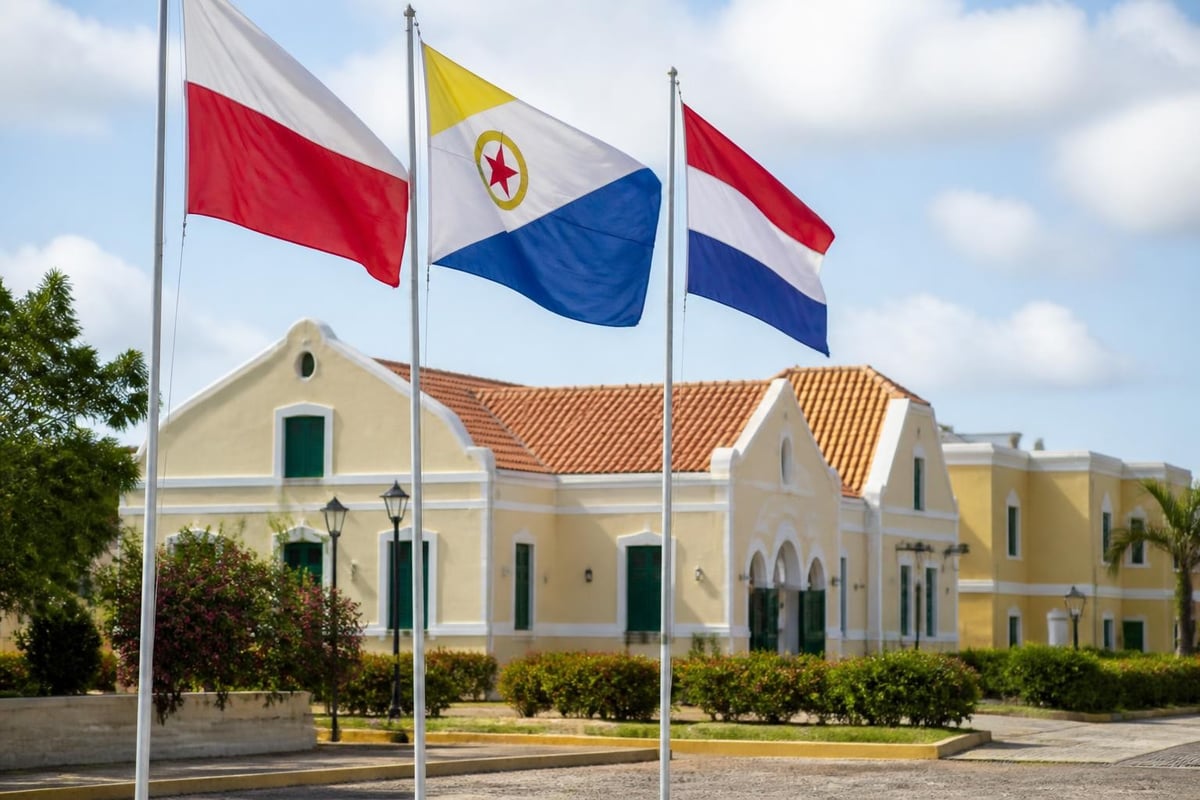
Bonaire Tax System: A Comprehensive Overview for Visitors
The bonaire tax framework reflects the island's commitment to transparency and sustainable development. The comprehensive tax system on Bonaire encompasses several distinct categories, each serving specific purposes in funding government operations and community services.
Visitor Entry Tax: The Primary Consideration for Tourists
Since July 1, 2022, all foreign visitors to Bonaire must pay the visitor entry tax, regardless of age. This unified approach replaced the previous fragmented system of room tax and rental car tax with a single, straightforward fee. The consolidation represents a significant administrative improvement that benefits both tourists and local businesses.
The visitor entry tax serves multiple critical functions beyond simple revenue generation. Funds collected specifically support education programs for island youth, infrastructure maintenance and development, tourism marketing and promotion initiatives, and environmental sustainability projects protecting Bonaire's renowned marine ecosystem.
| Tax Type | Rate/Amount | Purpose | Payment Timing |
|---|---|---|---|
| Visitor Entry Tax | Fixed per person | Infrastructure, education, sustainability | Before or upon arrival |
| Expenditure Tax (ABB) | 6-8% depending on goods/services | General government operations | Point of purchase |
| Real Estate Tax | Based on assessed value | Municipal services | Annual assessment |
Visitors can complete their bonaire tax payment before departure, eliminating the need to queue at arrival kiosks. This advance payment option provides peace of mind and allows travelers to begin their vacation immediately upon landing at Flamingo International Airport.
Understanding Bonaire's Broader Tax Structure
Beyond the visitor entry tax, Bonaire’s fiscal system includes several other components that primarily affect residents and businesses. The absence of corporate profit tax makes the island particularly attractive for entrepreneurial ventures, while revenue tax applies to businesses based on turnover rather than profit margins.
The expenditure tax (ABB) functions similarly to value-added tax in European countries, applying to most goods and services purchased on the island. Different rates exist for various categories, with essential items typically taxed at lower rates than luxury goods.
Recent reforms have modernized the tax system. Changes implemented in 2025 linked the tax-free allowance to the minimum wage, providing greater protection for low-income residents and ensuring the system adapts automatically to economic conditions.
Planning Your Bonaire Visit: Tax Considerations and Payment Options
Smart planning makes the bonaire tax payment process effortless and allows visitors to focus on experiencing everything this Caribbean gem offers. Understanding payment options and timing helps ensure a smooth arrival experience.
Pre-Arrival Payment: The Recommended Approach
Completing your tourist tax payment online before traveling offers numerous advantages. The digital process takes only minutes, provides immediate confirmation, and eliminates concerns about currency exchange or payment methods upon arrival. Documentation received after online payment serves as proof of compliance with Bonaire's entry requirements.
The online system accepts multiple payment methods and provides clear instructions in several languages. Travelers receive email confirmation that should be retained either digitally or in printed form for presentation if requested by immigration officials.
Payment at Arrival: What to Expect
For those who prefer or need to pay upon arrival, kiosks are available at Flamingo International Airport. However, arrival queues can be substantial during peak tourism seasons, potentially delaying the start of your vacation. Payment at the airport requires cash in US dollars or credit cards, though not all card types may be accepted.
Steps for efficient airport payment:
- Proceed directly to the tourist tax kiosk after deplaning
- Have your passport and payment method ready
- Complete the brief form with travel details
- Receive your payment confirmation
- Retain documentation throughout your stay
Understanding the various aspects of tourist tax helps visitors budget appropriately and avoid surprises. Families should note that the tax applies to all visitors regardless of age, including infants and children.

What Makes Bonaire Special: Beyond the Tax Requirements
The bonaire tax that visitors pay directly funds preservation and enhancement of the island's extraordinary features. Understanding what makes Bonaire unique helps contextualize why the visitor entry tax represents an investment in protecting these remarkable assets for future generations.
Marine Paradise and Environmental Protection
Bonaire's status as a world-renowned diving destination stems from decades of environmental stewardship. The island's entire coastline and surrounding waters form a protected marine park, with strict regulations ensuring coral reef health and marine biodiversity. Revenue from visitor taxes helps fund marine park rangers, research programs, and conservation initiatives.
The commitment to environmental protection extends beyond the water. Bonaire National Marine Park, established in 1979, was among the first of its kind in the Caribbean. The island's Washington-Slagbaai National Park protects terrestrial ecosystems, rare bird species, and historical sites spanning over 5,600 hectares of the northern portion of the island.
Cultural Heritage and Community Development
The funds generated through the bonaire tax system support cultural preservation programs that maintain the island's unique Papiamentu language, traditional music, and historical architecture. Kralendijk, the charming capital city, features colorful Dutch colonial buildings that require ongoing maintenance funded partly through tourism revenues.
Local education programs benefit directly from visitor tax contributions. Schools receive upgraded facilities, technology resources, and specialized programs that prepare island youth for careers in sustainable tourism, marine biology, and environmental science. This investment creates a virtuous cycle where tourism revenues strengthen the community while developing the next generation of conservation stewards.
Infrastructure Development Supporting Tourism Excellence
Recent years have seen significant infrastructure improvements throughout Bonaire funded by tourism-related taxes. Road maintenance, water treatment facilities, renewable energy installations, and telecommunications upgrades all benefit from revenue streams including the visitor entry tax.
These improvements enhance visitor experiences while serving resident needs:
- Expanded airport facilities accommodate growing visitor numbers
- Improved road networks provide safe access to diving sites and beaches
- Enhanced water management systems ensure reliable utilities
- Renewable energy projects reduce environmental impact and energy costs
- Public safety investments maintain Bonaire's reputation as a secure destination
The sustainable approach to development ensures that tourism growth doesn't compromise the natural beauty and authentic character that make the island special.
Living in Bonaire: Tax Considerations for Residents and Property Owners
Those considering extended stays or property investment need to understand Bonaire's tax framework beyond visitor fees. The property tax system on Bonaire differs from both European and North American models, with specific implications for foreign buyers.
Real Estate Tax and Property Ownership
Annual real estate tax in Bonaire is calculated based on assessed property values, with rates typically lower than comparable Caribbean destinations. Foreign ownership is permitted without restrictions, though buyers should engage local legal counsel familiar with Dutch Caribbean property law.
Transfer tax applies when purchasing property, representing a one-time cost separate from the annual real estate tax. These fees contribute to municipal services including waste management, street lighting, and public facility maintenance that benefit all property owners.
Income Tax for Residents and Workers
Bonaire's personal income tax structure follows progressive brackets, with rates varying based on income levels. Recent reforms linking the tax-free allowance to minimum wage ensure that low-income workers retain more of their earnings while higher earners contribute proportionally more to government revenues.
Expatriates working on Bonaire face specific tax considerations depending on their residency status and employment arrangements. The absence of social security taxes for certain categories of workers can make the island attractive for remote professionals, though individual circumstances require professional tax advice.
| Income Level (USD) | Tax Rate | Tax-Free Allowance |
|---|---|---|
| First bracket | 7% | Linked to minimum wage |
| Middle brackets | Progressive 15-25% | Deductions available |
| Higher brackets | Up to 38% | Limited exemptions |
Understanding the complete fiscal picture helps potential residents and investors make informed decisions about Bonaire as a long-term destination.

Business Opportunities and Revenue Tax Framework
Entrepreneurs considering Bonaire as a business location benefit from the island's distinctive tax approach. The absence of corporate profit tax represents a significant advantage compared to most jurisdictions, though revenue tax and other considerations require careful planning.
Revenue Tax Instead of Profit Tax
Bonaire's revenue tax applies to business turnover rather than net profits, creating a simplified reporting framework. Different sectors face varying rates, with tourism-related businesses, retail operations, and professional services each subject to specific percentages. This approach reduces administrative complexity while ensuring consistent government revenue.
The indirect tax system includes expenditure tax that businesses collect on behalf of the government. Compliance requirements are straightforward, with quarterly filings and payments for most business categories.
Tourism Sector Advantages
Hospitality businesses benefit from the simplified tax structure that replaced the previous room tax with the unified visitor entry tax. Hotels, resorts, and vacation rental operators no longer collect tax directly from guests, eliminating administrative burdens and compliance complexities.
This streamlined approach allows accommodation providers to focus on service quality rather than tax collection. The centralized visitor entry tax system ensures all visitors contribute equally regardless of accommodation choice, creating a level playing field for different lodging options from luxury resorts to eco-lodges.
Practical Tips for First-Time Visitors to Bonaire
Beyond understanding the bonaire tax requirements, successful trip planning involves several practical considerations that ensure an exceptional Caribbean experience.
Timing Your Visit for Optimal Conditions
Bonaire enjoys consistent warm temperatures year-round, though subtle seasonal variations affect diving conditions and pricing. The dry season from January through July offers excellent visibility for underwater activities, while the wetter months from October through December bring occasional rain showers that refresh the landscape.
Peak tourism season typically runs from December through March, when North American and European visitors escape winter weather. Booking accommodations and activities well in advance during these months ensures availability at preferred properties and dive operations.
Currency and Financial Planning
Despite its Dutch governance, Bonaire uses the US dollar for all transactions. This arrangement eliminates currency conversion concerns for American visitors while providing stability and convenience for international travelers. Credit cards are widely accepted at hotels, restaurants, and dive shops, though carrying some cash proves useful for smaller establishments and local markets.
ATMs are available in Kralendijk and at the airport, dispensing US dollars. Exchange rates for foreign currencies generally favor pre-arrival conversion in travelers' home countries rather than attempting exchanges on the island.
Essential Items and Local Customs
Bonaire's relaxed Caribbean atmosphere welcomes casual attire, though respectful dress is appreciated when visiting government offices or churches. The island's strong environmental ethic means plastic bags are banned and reef-safe sunscreen is mandatory for marine activities.
Must-pack items for Bonaire:
- Reef-safe sunscreen (standard sunscreens damage coral)
- Underwater camera for documenting marine life
- Light rain jacket for occasional showers
- Snorkeling gear if you prefer personal equipment
- Prescription medications in original containers
The official tourist information resources provide additional guidance on entry requirements, local regulations, and cultural expectations that enhance visitor experiences.
Transportation and Getting Around the Island
Bonaire's compact size makes exploration convenient, though rental vehicles provide the greatest flexibility for accessing beaches, dive sites, and natural attractions throughout the island.
Vehicle Rentals and Requirements
Most visitors rent trucks or cars to explore at their own pace. International driver's licenses are accepted, though not required for visitors from most countries who hold valid domestic licenses. Rental companies operate at the airport and in Kralendijk, offering everything from economy cars to heavy-duty trucks suitable for reaching remote dive sites.
The former rental car tax has been eliminated and incorporated into the unified visitor entry tax, simplifying the rental process. Prices remain competitive with other Caribbean destinations, and advance reservations ensure vehicle availability during peak seasons.
Alternative Transportation Options
For those preferring not to drive, taxis provide airport transfers and can be arranged for day trips, though costs accumulate quickly for extensive island touring. Some hotels offer shuttle services to popular diving sites and Kralendijk's shopping district.
Cycling represents an eco-friendly option for exploring the relatively flat southern portion of the island, where most accommodations and attractions are located. Several rental shops provide bicycles suitable for coastal roads, though the arid climate and limited shade make early morning or late afternoon rides most comfortable.
Accommodations and Lodging Options Across Bonaire
The island's diverse accommodation options range from luxury resorts to budget-friendly apartments, all benefiting from the simplified visitor entry tax that replaced the previous room tax system.
Resort Properties and Full-Service Hotels
Bonaire's premier resorts offer comprehensive diving packages, beachfront locations, and amenities including restaurants, pools, and water sports equipment. These properties cater to visitors seeking convenience and full-service experiences with on-site dive operations and activity coordination.
Staff at established resorts provide knowledgeable guidance about local attractions, dining recommendations, and things to do throughout the island. Many properties have operated for decades, developing deep connections with the community and environmental organizations.
Vacation Rentals and Apartments
Self-catering accommodations appeal to families, extended-stay visitors, and those preferring independent exploration. Condominiums and houses throughout the island provide kitchen facilities, multiple bedrooms, and often private access to diving sites directly from the property.
The elimination of separate room tax means vacation rental pricing is more straightforward, with property owners no longer collecting and remitting multiple taxes. This simplification benefits both owners and guests through reduced administrative complexity.
Budget Options and Eco-Lodges
Travelers prioritizing affordability or environmental sustainability find suitable options in Bonaire's guesthouses, hostels, and eco-lodges. These smaller properties often provide personalized service and connections to local culture that larger resorts cannot match.
Regardless of accommodation choice, understanding that the visitor entry tax applies universally helps travelers budget accurately and appreciate that their contribution supports island-wide benefits rather than just specific properties.
Diving and Marine Activities: The Heart of Bonaire Tourism
The bonaire tax revenue directly supports preservation of the marine environment that forms the foundation of the island's tourism economy. Understanding diving opportunities and marine regulations helps visitors maximize their underwater experiences while contributing to conservation.
Shore Diving Accessibility
Bonaire's unique topography allows direct shore access to exceptional diving sites around the island. Marked entry and exit points, usually featuring painted yellow rocks, provide convenient access to reefs just steps from parking areas. This accessibility makes Bonaire particularly attractive for independent divers who prefer exploring at their own pace.
The marine park system includes over 80 marked dive sites, each offering distinct underwater topography, marine life concentrations, and experience levels. Detailed site maps and guidebooks help divers select appropriate locations based on conditions, interests, and skill levels.
Boat Diving and Specialized Sites
While shore diving dominates Bonaire's diving culture, boat operations provide access to sites around Klein Bonaire, the small uninhabited island visible from the western coast. These excursions reach pristine sites with minimal diving pressure and exceptional marine biodiversity.
Specialized diving activities include night dives revealing nocturnal marine life, photography workshops leveraging Bonaire's exceptional underwater visibility, and marine biology tours led by researchers studying the reef ecosystem. Revenue from the visitor tax helps fund research programs that deepen scientific understanding of Caribbean marine environments.
Understanding the bonaire tax system provides essential context for appreciating how visitor contributions support this Caribbean paradise. From environmental protection to infrastructure development, the unified visitor entry tax represents a simplified, transparent approach to sustainable tourism funding. To ensure a smooth arrival and immediate start to your Bonaire adventure, complete your payment in advance through Bonaire Tourist Tax, avoiding airport queues while contributing directly to the preservation of this remarkable island destination.