

Bonaire, a small Caribbean island known for its pristine coral reefs, abundant marine life, and year-round sunshine, has become one of the most sought-after destinations for divers and nature enthusiasts. As this special municipality of the Netherlands continues to grow in popularity, the island has implemented a comprehensive taxation system to ensure sustainable tourism development. Understanding the bonaire visitor tax is essential for anyone planning to visit this Dutch Caribbean paradise, as it affects every international traveler arriving on the island.
Understanding the Bonaire Visitor Tax System
The bonaire visitor tax represents a significant shift in how Bonaire funds its tourism infrastructure and environmental conservation efforts. Implemented on July 1, 2022, this mandatory entry tax applies to all foreign visitors regardless of age, replacing the previous system of separate room taxes and rental car taxes that were more fragmented and difficult to administer.
This consolidated approach streamlines the payment process while ensuring that funds are directly allocated to critical areas including education, infrastructure development, tourism enhancement, and sustainability initiatives. The island's government recognized that a single entry tax would be more efficient and transparent than the previous system, which created confusion among visitors about their total tax obligations.
Who Needs to Pay the Entry Tax
Every international visitor to Bonaire must pay the visitor entry tax, with very limited exceptions. This includes:
- Tourists arriving for vacation
- Business travelers
- Family members visiting residents
- Transit passengers who leave the airport
- Children of all ages
The universality of the tax ensures that everyone who benefits from Bonaire's infrastructure and natural resources contributes to their preservation and improvement. However, there are specific reduced rates for residents of the former Netherlands Antilles islands, as detailed in official government communications, which outline eligibility criteria and required documentation for these special circumstances.
The Island of Bonaire: A Natural Wonder Worth Protecting
Bonaire is one of the ABC islands (Aruba, Bonaire, and Curaçao) located in the southern Caribbean Sea, approximately 50 miles off the coast of Venezuela. Unlike its sister islands, Bonaire has maintained a deliberate focus on eco-tourism and marine conservation, making it a unique destination in the Caribbean region.
The island spans just 111 square miles and is home to roughly 22,000 permanent residents. What Bonaire lacks in size, it more than compensates for with natural beauty. The island's surrounding waters form the Bonaire National Marine Park, established in 1979, which protects some of the most pristine coral reefs in the Caribbean.
Why Bonaire Stands Apart
Bonaire's commitment to environmental preservation extends far beyond its famous reefs. The island hosts flamingo sanctuaries, pristine beaches, and the Washington Slagbaai National Park, which covers nearly 20% of the island's total land area. These protected areas require constant maintenance, monitoring, and conservation efforts that directly benefit from visitor tax revenues.
The island's economy relies heavily on tourism, with diving and snorkeling being the primary attractions. Over 80 marked dive sites surround the island, many accessible directly from shore, making Bonaire a shore-diving paradise. The crystal-clear waters offer visibility often exceeding 100 feet, and the healthy coral ecosystems support an incredible diversity of marine life.
| Bonaire Highlights | Details |
|---|---|
| Total Area | 111 square miles |
| Population | Approximately 22,000 |
| Official Languages | Dutch, Papiamentu, English, Spanish |
| Currency | US Dollar |
| Annual Visitors | Over 150,000 |
| Marine Park Size | 6,672 acres |
Payment Methods and Timing for the Tax
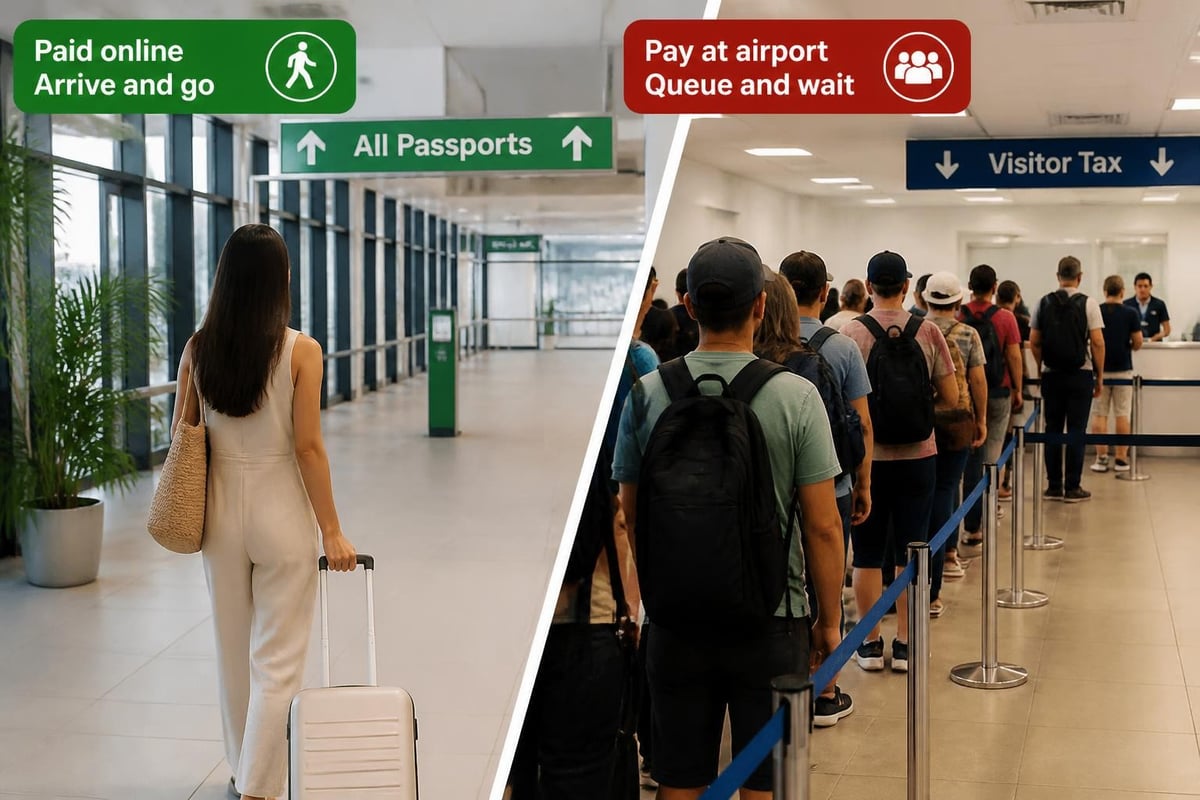
Visitors have two primary options for paying the bonaire visitor tax: advance payment online or payment upon arrival at Flamingo International Airport. While both methods are acceptable, the official Bonaire Visitor Entry Tax portal strongly recommends advance payment to avoid delays and queues at the airport kiosks.
Advance online payment offers several advantages. Travelers can complete the process from home before their departure, receive immediate confirmation, and proceed directly through customs without stopping at tax payment kiosks. The online system accepts major credit cards and processes payments in US dollars, which is Bonaire's official currency.
For those who choose to pay the visitor entry tax before arrival, the payment receipt remains valid for the duration of their stay and should be kept readily accessible, as customs officials may request proof of payment. The advance payment system has reduced airport processing times significantly, allowing visitors to begin their Bonaire experience without unnecessary delays.
Airport Payment Procedures
Travelers who have not paid in advance will find payment kiosks immediately upon arrival at Flamingo International Airport. These kiosks accept cash (US dollars) and credit cards. However, during peak travel seasons, kiosk lines can extend wait times by 30 minutes or more, cutting into precious vacation time.
The airport kiosks provide multilingual support and clear instructions for completing the payment process. Staff members are available to assist travelers who encounter difficulties, though the process is designed to be straightforward and self-service oriented.
Tax Rates and Special Considerations
The standard bonaire visitor tax rate for international visitors is $75 USD per person for stays exceeding one day. This fee structure applies to the vast majority of travelers arriving from North America, Europe, South America, and other international destinations.
Special rate categories exist for specific groups:
- Residents of former Netherlands Antilles islands pay a reduced rate of $10 USD
- Same-day transit passengers who do not leave the airport are exempt
- Children under certain circumstances may qualify for exemptions
These special rates require documentation to verify eligibility. Residents of Aruba, Curaçao, Sint Maarten, Saba, and Sint Eustatius must present valid identification proving residency to qualify for the reduced rate.
Validity Period and Multiple Entries
Once paid, the visitor entry tax covers the entire duration of a single visit to Bonaire, regardless of length. For travelers making multiple trips to the island within the same year, a new tax payment is required for each separate entry. The tax does not operate on an annual pass system, meaning frequent visitors will pay the full rate each time they arrive.
This structure differs from some other Caribbean destinations that offer annual tourist cards or multi-entry passes, making it particularly important for regular visitors to budget accordingly when planning multiple trips to the island.
How Tax Revenue Supports Bonaire's Development
The funds collected through the bonaire visitor tax are not simply absorbed into general government revenues. Instead, they are specifically earmarked for initiatives that directly enhance the visitor experience while preserving Bonaire's unique character and natural environment.
Education programs receive significant funding from tax revenues, particularly initiatives focused on environmental awareness and sustainable tourism practices. Local schools participate in marine conservation education, teaching the next generation of Bonaire residents about the importance of protecting their island's natural resources.
Infrastructure improvements funded by the tax include road maintenance, beach facility upgrades, public restroom installations at popular sites, and enhanced lighting in high-traffic areas. These improvements benefit both visitors and residents, creating a better quality of life for everyone on the island.
Marine Conservation and Sustainability
A substantial portion of tax revenue supports the Bonaire National Marine Park's ongoing conservation efforts. This includes:
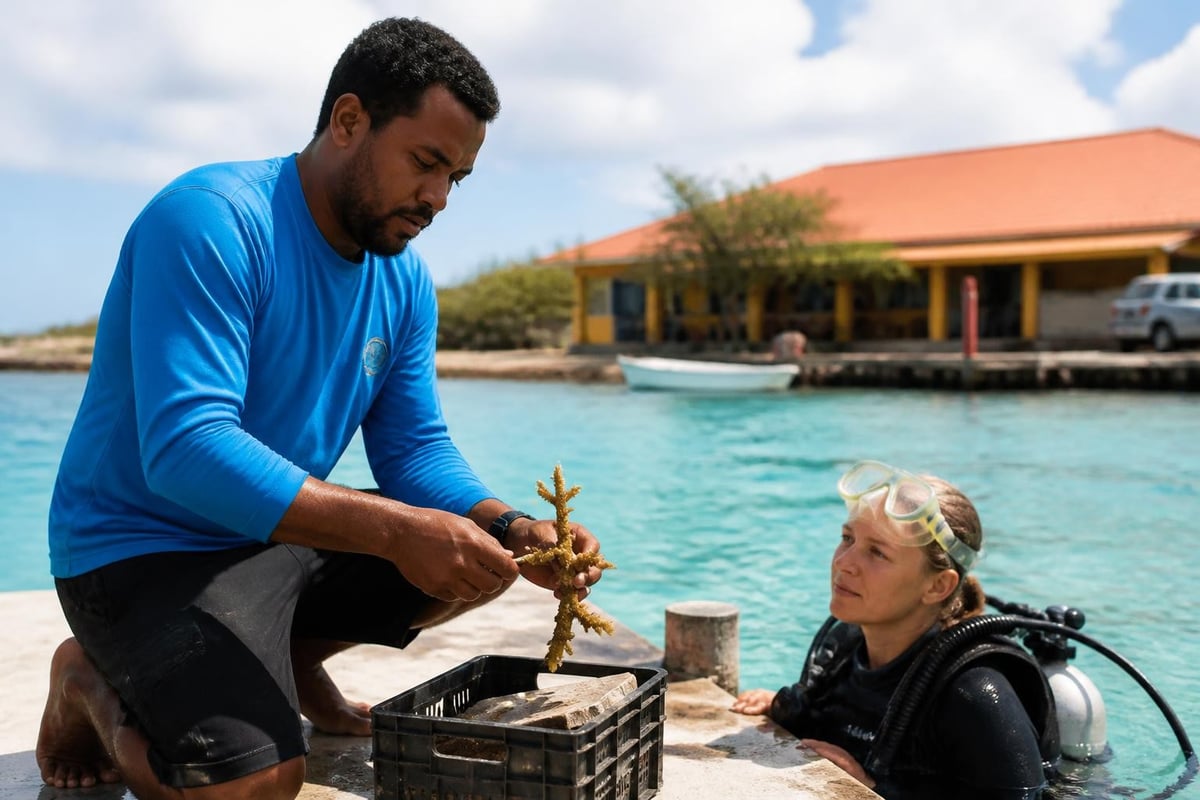
- Coral reef monitoring and restoration projects
- Marine life research and population studies
- Mooring buoy installation and maintenance to prevent anchor damage
- Educational signage and visitor awareness programs
- Enforcement of marine protection regulations
The island's commitment to sustainability extends to renewable energy projects, waste management improvements, and water conservation initiatives, all of which receive support from visitor tax funds. According to recent analyses of the tourist tax’s financial impact, these investments have strengthened Bonaire's economy while preserving its environmental integrity.
Avoiding Payment Scams and Unofficial Websites
As with any mandatory payment system, the bonaire visitor tax has attracted fraudulent operators attempting to exploit unsuspecting travelers. Multiple official warnings have been issued by the Bonaire government about unofficial payment channels that charge excessive fees or steal payment information.
The only authorized payment portal is operated directly by the Bonaire government. Travelers should be extremely cautious of third-party websites claiming to facilitate tax payments, as these may charge inflated service fees or fail to properly remit payments to the government, leaving travelers liable upon arrival.
Warning signs of fraudulent websites include:
- Unusually high payment amounts significantly exceeding the official rate
- Requests for excessive personal information beyond basic travel details
- Poor website design with spelling and grammatical errors
- Lack of official government branding or certification
- Absence of secure payment indicators
Reports from InfoBonaire warn about unofficial websites that have attempted to intercept visitor payments, emphasizing the critical importance of using only the official government portal for tax payment processing.
Planning Your Bonaire Visit Beyond the Tax
While understanding the bonaire visitor entry tax is essential, it represents just one component of trip planning for this remarkable island. Bonaire's appeal extends far beyond administrative requirements, offering experiences that justify its position as one of the Caribbean's premier eco-tourism destinations.
The best time to visit Bonaire is generally considered to be between April and August when weather conditions are most favorable and accommodation rates are often lower than peak winter season. However, Bonaire's location outside the hurricane belt means the island enjoys excellent conditions year-round, with average temperatures ranging from 80 to 88 degrees Fahrenheit.
Diving and Snorkeling Opportunities
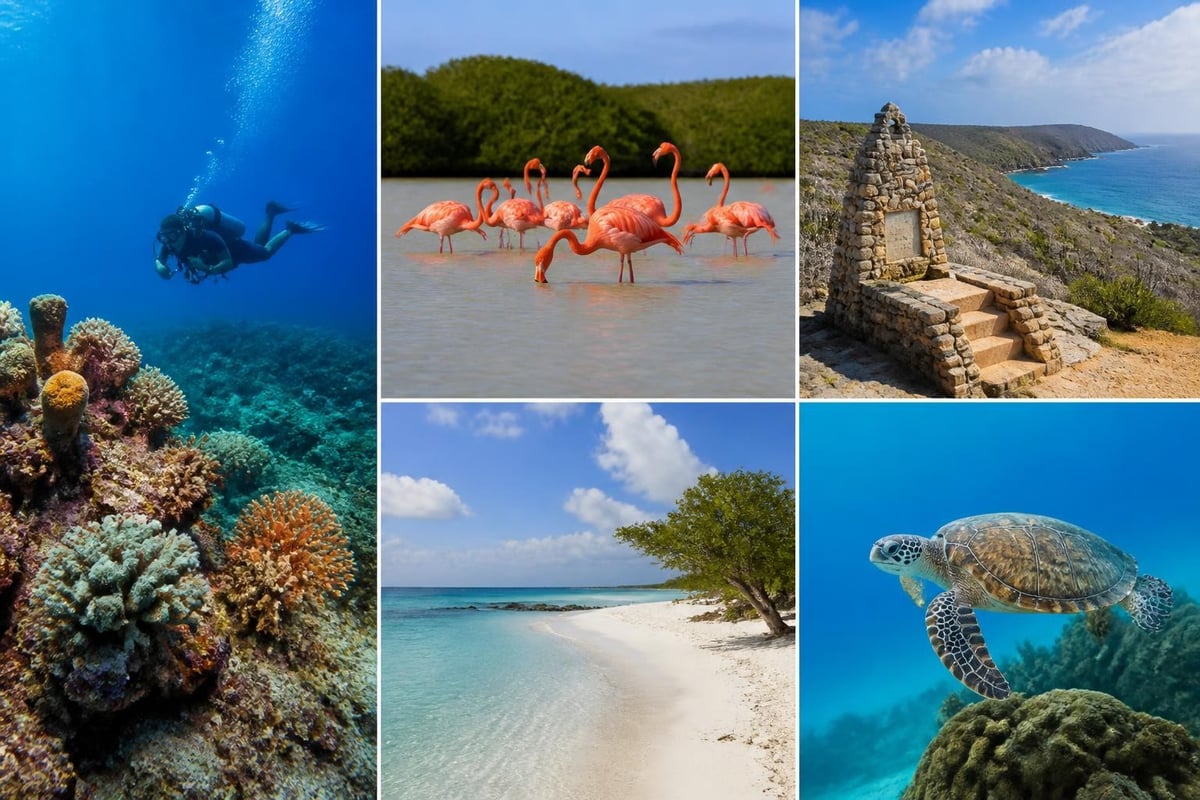
Bonaire's reputation as a diving paradise is well-deserved. The island offers unparalleled access to pristine reefs, with most dive sites marked by yellow stones along the coastal roads. Shore diving is exceptionally popular, allowing divers to simply park their rental trucks, gear up, and enter the water without boat charters.
Notable dive sites include:
- 1000 Steps: Despite its intimidating name, this site features only 67 steps and offers dramatic wall diving
- Hilma Hooker: A 236-foot shipwreck resting in 100 feet of water, accessible to certified divers
- Klein Bonaire: A small uninhabited island offering exceptional snorkeling and diving
- Salt Pier: Famous for dramatic underwater architecture covered in colorful marine growth
For those interested in things to do beyond diving, Bonaire offers windsurfing and kitesurfing at Lac Bay, kayaking through mangrove forests, mountain biking, and wildlife watching at the salt flats where flamingos congregate.
Accommodation Options and Island Infrastructure
Bonaire offers diverse lodging options ranging from luxury resorts to budget-friendly apartments and guesthouses. Many properties cater specifically to divers, offering amenities like equipment rinse stations, gear storage, and air filling stations on-site.
The island's main town, Kralendijk, serves as the commercial center with restaurants, shops, dive operators, and essential services. While Bonaire maintains a relaxed, small-island atmosphere, visitors will find modern amenities including reliable internet, quality medical facilities, and well-maintained roads.
| Accommodation Type | Price Range (per night) | Best For |
|---|---|---|
| Luxury Resorts | $300-$600+ | Full-service experience, multiple amenities |
| Mid-Range Hotels | $150-$300 | Comfortable stay, good location |
| Apartment Rentals | $100-$200 | Self-catering, longer stays |
| Budget Guesthouses | $75-$150 | Cost-conscious travelers, basic needs |
Those seeking guidance on where to stay will find that location matters primarily based on diving preferences, with northern properties offering access to Washington Slagbaai National Park and southern accommodations providing proximity to town and popular dive sites.
Transportation and Getting Around the Island
Rental vehicles are virtually essential for exploring Bonaire effectively. The island's public transportation is limited, and most dive sites, restaurants, and attractions are spread across the island's small but varied terrain. Most visitors rent pickup trucks, which are ideal for transporting dive gear and navigating unpaved roads to remote beaches.
Driving in Bonaire is straightforward, with traffic flowing on the right side of the road and speed limits clearly posted. The main coastal road circles the island, making navigation simple even for first-time visitors. However, some roads within Washington Slagbaai National Park are rough and require four-wheel drive vehicles.
Transportation considerations:
- International driver's licenses are recommended but not always required
- Most rental agencies are located near the airport
- Fuel is readily available, though more expensive than mainland prices
- Parking at dive sites is generally free and readily available
- Bicycle rentals are available for exploring Kralendijk
Cultural Experiences and Local Life
Beyond its natural attractions, Bonaire offers rich cultural experiences rooted in its unique history as a Dutch Caribbean island. The local language, Papiamentu, blends Portuguese, Spanish, Dutch, and African influences, creating a linguistic tapestry that reflects the island's diverse heritage.
Visitors can explore local markets, sample traditional cuisine like keshi yena (stuffed cheese) and fresh seafood, and attend cultural festivals throughout the year. The Bonaire Regatta in October and the Carnival celebration before Lent showcase the island's festive spirit and community bonds.
The island's residents, known as Bonaireans, are generally welcoming to visitors who respect local customs and the environment. Small gestures like learning basic Papiamentu greetings and supporting locally-owned businesses enhance the cultural exchange that makes travel meaningful.
Environmental Responsibility
Visitors to Bonaire are expected to uphold high environmental standards that protect the island's fragile ecosystems. This includes adhering to marine park rules such as not touching coral, maintaining proper buoyancy while diving, and disposing of waste properly.
The island has banned single-use plastics in many contexts and encourages visitors to bring reusable water bottles, bags, and containers. Reef-safe sunscreen is strongly encouraged, as chemical sunscreens can damage coral polyps and disrupt marine ecosystems.
Dining and Culinary Scene
Bonaire's restaurant scene reflects its international visitor base and Caribbean location, offering everything from authentic Dutch pancake houses to fresh seafood grills and international cuisine. Kralendijk's waterfront features numerous dining establishments with ocean views, while scattered restaurants around the island provide unique atmospheres.
Local specialties include:
- Fresh lionfish (an invasive species being actively removed from reefs)
- Conch prepared in various styles
- Goat stew, a traditional Caribbean dish
- Dutch-influenced pastries and baked goods
- Fresh tropical fruits from regional markets
Many restaurants source ingredients locally, supporting the island's small agricultural sector and fishing community. Prices at restaurants generally reflect import costs and the island's remote location, with most entrees ranging from $15 to $40.
Practical Information for First-Time Visitors
Entry requirements for Bonaire vary by nationality. Most North American and European visitors do not require visas for tourist stays, though passport validity requirements apply. The island uses the US dollar as its official currency, eliminating exchange concerns for American travelers.
Healthcare facilities on Bonaire include a modern hospital and several clinics capable of handling most medical needs, including diving-related emergencies. A recompression chamber operates on the island for treating decompression illness. Travel insurance with dive accident coverage is strongly recommended for all visitors engaging in underwater activities.
Cell phone service is reliable throughout most of the island, with major carriers offering roaming services. Many accommodations and restaurants provide complimentary WiFi, keeping visitors connected when desired.
Weather patterns remain consistent year-round, with the dry season from January to September and slightly increased rainfall from October to December. However, even during wetter months, Bonaire receives far less precipitation than most Caribbean islands, maintaining its appeal as a year-round destination.
The Future of Sustainable Tourism in Bonaire
Bonaire's approach to tourism development emphasizes quality over quantity, with deliberate efforts to prevent the mass tourism that has transformed other Caribbean destinations. The bonaire visitor tax plays a crucial role in this strategy, providing resources to maintain infrastructure while funding conservation programs that preserve the island's appeal.
Future initiatives supported by tax revenues include expanded renewable energy projects, enhanced waste management systems, and continued marine research. The island's government has committed to maintaining strict environmental protections even as tourism grows, recognizing that Bonaire's pristine environment constitutes its primary competitive advantage.
Community involvement in tourism planning ensures that development benefits residents while respecting local culture and values. This balanced approach has positioned Bonaire as a model for sustainable island tourism in the Caribbean region and beyond.
Understanding the bonaire visitor tax and its role in supporting this remarkable island enhances every visitor's appreciation for Bonaire's commitment to sustainable tourism. By paying this tax in advance, you'll not only avoid airport queues but also contribute directly to preserving the natural wonders that make Bonaire special. Bonaire Tourist Tax provides a straightforward payment process that allows you to complete this requirement before departure, ensuring a smooth arrival and the immediate start of your Caribbean adventure.