

Bonaire, a Caribbean paradise renowned for its pristine coral reefs and world-class diving, welcomes visitors with warm sunshine and turquoise waters. Before you step onto this Dutch Caribbean island, understanding the financial requirements for entry ensures a smooth arrival experience. Since July 1, 2022, the bonaire entry tax has become a mandatory requirement for all international visitors, replacing the previous room tax and rental car tax with a streamlined system designed to support the island's sustainable development.
Understanding the Bonaire Entry Tax System
The bonaire entry tax represents a fundamental shift in how Bonaire funds its tourism infrastructure and environmental conservation efforts. This single entry fee consolidates what were previously separate charges, simplifying the payment process while generating revenue specifically earmarked for the island's future.
All foreign visitors, regardless of age, must pay this tax before or upon arrival. The current rate stands at $75 USD per person for most international visitors, though certain categories qualify for reduced rates. Visitors from neighboring Caribbean islands can benefit from a reduced $10 fee, as outlined in the government’s special provisions for sister island residents.
Payment Timing and Methods
Travelers have flexibility in when they complete their payment. The tax can be settled online before departure, during the flight if the airline offers this service, or at designated kiosks upon arrival at Flamingo International Airport. However, advance payment offers significant advantages that experienced travelers quickly appreciate.
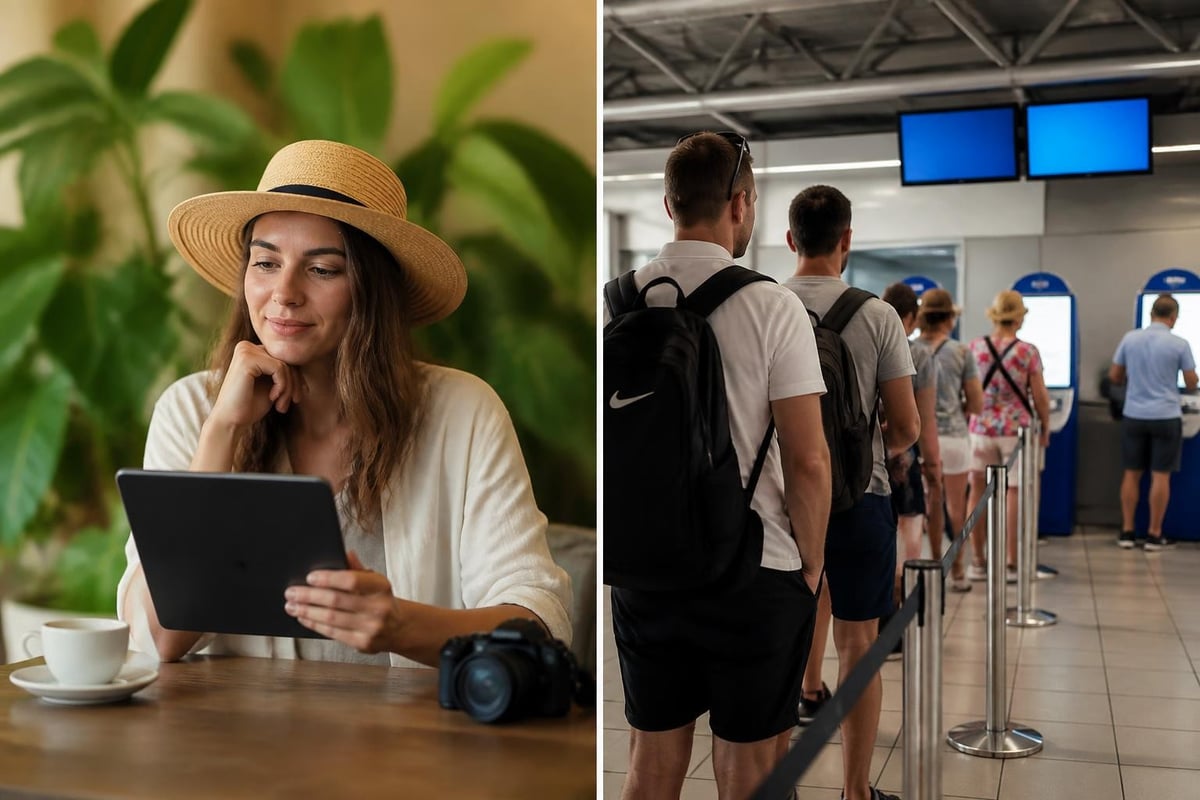
Benefits of paying in advance include:
- Bypassing potentially long queues at airport kiosks
- Securing proof of payment before travel
- Reducing stress during arrival procedures
- Ensuring immediate entry to the island
To complete the online payment process, visitors need their passport information, travel dates, and a valid credit card. The system generates a confirmation certificate that should be saved digitally and printed for presentation upon arrival.
The Island Paradise Worth the Investment
Bonaire stretches along 24 miles of Caribbean coastline, offering an unspoiled natural environment that sets it apart from more commercialized destinations. The island maintains a delicate balance between welcoming tourists and preserving the ecosystems that make it special.
Natural Wonders and Marine Life
The island's surrounding waters form part of the Bonaire National Marine Park, established in 1979 as one of the first marine reserves in the world. This protected area encompasses the entire coastline from the high-water mark to a depth of 200 feet, plus Klein Bonaire, an uninhabited island just offshore.
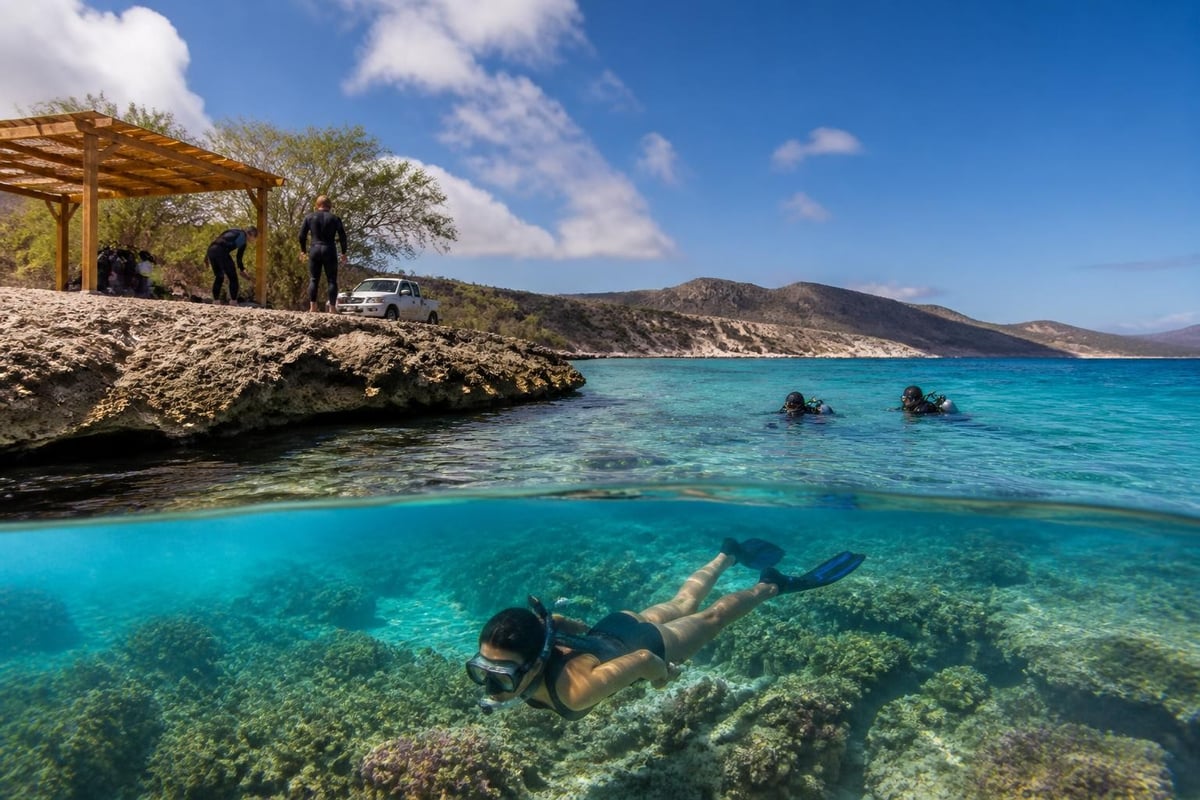
Divers and snorkelers discover over 470 fish species and 57 coral species in these waters. The visibility regularly exceeds 100 feet, creating ideal conditions for underwater photography and marine observation. Shore diving accessibility means many of the island's 86 dive sites can be reached directly from beaches, eliminating the need for boat trips.
| Marine Feature | Details | Best Season |
|---|---|---|
| Coral Health | 90% live coral coverage | Year-round |
| Water Temperature | 78-84°F | Peak warmth May-October |
| Visibility | 80-150 feet | Best November-June |
| Shore Dive Sites | 63 accessible sites | Year-round |
Washington Slagbaai National Park covers approximately 20% of the island's land mass in the northwestern region. This 13,500-acre reserve protects diverse habitats including coastal wetlands, limestone terraces, and dry forest ecosystems. Visitors encounter flamingos, yellow-shouldered parrots, and endemic Bonaire whiptail lizards along the park's rugged trails.
Where Tourism Revenue Creates Impact
Understanding where the bonaire entry tax funds flow helps visitors appreciate their contribution to the island community. The revenue model represents a sustainable tourism approach that many destinations now seek to emulate.
Education and Community Development
A significant portion of tax revenue supports educational initiatives across the island. Bonaire's population of approximately 22,000 residents benefits from programs ranging from marine biology education to vocational training in hospitality and environmental management.
Local schools receive funding for environmental education programs that teach children about coral reef ecology and conservation. These initiatives create a generation of residents invested in protecting the natural resources that sustain the island's economy. Additionally, scholarship programs help Bonairean students pursue higher education in marine science, sustainable tourism, and business management.
Infrastructure Improvements
The island's infrastructure receives continuous upgrades funded by tourism revenue. Recent projects include road improvements connecting remote dive sites, enhanced waste management systems, and upgraded water treatment facilities that protect the marine environment.
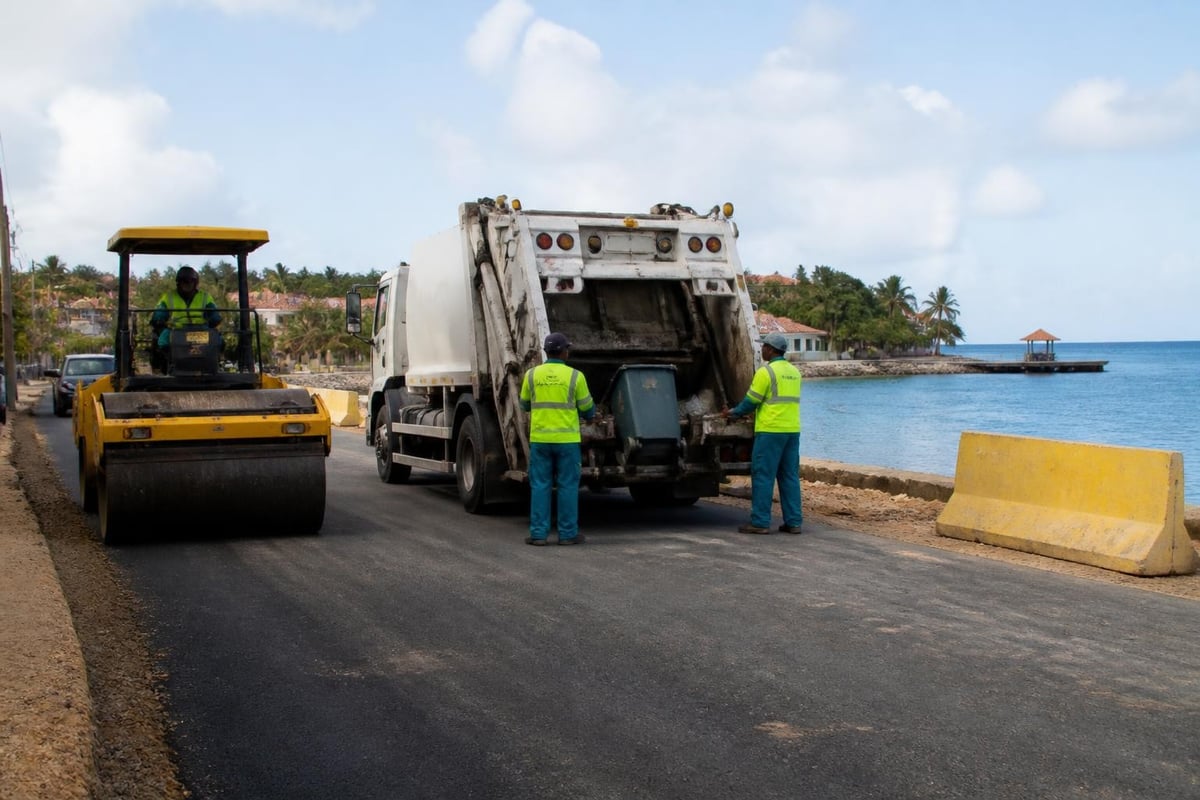
Key infrastructure investments include:
- Coastal road maintenance and safety improvements
- Expanded renewable energy installations reducing fossil fuel dependence
- Water desalination plant upgrades ensuring sustainable freshwater supply
- Airport facility enhancements improving visitor experience
- Public beach access points with parking and facilities
Environmental Conservation Programs
Marine conservation efforts receive substantial funding from the visitor tax. The Bonaire National Marine Park employs rangers who monitor reef health, enforce fishing regulations, and coordinate with dive operators to minimize environmental impact.
Research initiatives tracking coral spawning events, fish populations, and water quality benefit from tourism revenue. These scientific programs provide data essential for adaptive management strategies that keep the reefs healthy despite increasing visitor numbers.
Navigating Payment Requirements and Exemptions
While most visitors pay the standard bonaire entry tax, certain categories qualify for exemptions or reduced rates. Understanding these distinctions prevents confusion and ensures compliance with regulations.
Tourism Corporation Bonaire has developed a comprehensive FAQ resource addressing common questions about payment requirements and procedures.
Who Pays What
The payment structure reflects different visitor categories and their relationship to the island:
| Visitor Category | Tax Amount | Required Documentation |
|---|---|---|
| International tourists | $75 USD | Valid passport |
| Caribbean island residents | $10 USD | Proof of residency |
| Children under 2 | Exempt | Birth certificate |
| Bonaire residents | Exempt | Local ID card |
| Transit passengers (no entry) | Exempt | Boarding passes |
Residents of neighboring islands including Aruba, Curaçao, Saba, Sint Eustatius, and Sint Maarten qualify for the reduced rate when presenting proper documentation. This special provision recognizes the close cultural and economic ties between these Dutch Caribbean territories.
Avoiding Payment Scams
As with any online payment system, fraudulent websites occasionally emerge claiming to process the bonaire entry tax. The official government warning emphasizes using only authorized payment channels to avoid losing money to scammers.
Legitimate payment websites feature secure HTTPS connections, official government logos, and clear contact information. Suspicious signs include requests for excessive personal information, prices significantly different from official rates, or poor website quality with grammatical errors.
Planning Your Bonaire Adventure
Beyond the entry tax, preparing for a Bonaire vacation involves understanding the island's unique character and what makes it different from typical Caribbean destinations. This knowledge helps visitors maximize their experience and appreciate the sustainable tourism model their tax supports.
The Diving and Snorkeling Capital
Bonaire's reputation as a diver's paradise isn't marketing hyperbole. The island's dive sites accommodate all skill levels, from shallow reefs perfect for beginners to dramatic wall dives exceeding 130 feet depth.
Klein Bonaire, the small uninhabited island visible from most west coast beaches, offers pristine snorkeling and diving accessible by short boat ride. Day trips to this protected area provide encounters with sea turtles, eagle rays, and schools of tropical fish in crystal-clear water.
The unique distinction between the entry tax and nature fee often confuses first-time visitors. While the entry tax supports general infrastructure and community programs, the separate nature fee ($45 annually for divers, $25 for non-divers) specifically funds marine park operations and conservation efforts.
Beyond the Underwater World
While diving dominates Bonaire's tourism image, the island offers diverse activities for non-divers and those seeking variety. Windsurfing and kiteboarding thrive on the eastern coast where consistent trade winds create ideal conditions. Lac Bay, a shallow lagoon on the southeastern shore, ranks among the Caribbean's premier windsurfing destinations.
Mountain biking trails wind through Washington Slagbaai National Park and other areas, offering challenging terrain with spectacular coastal views. The island's compact size makes it perfect for exploring by car or bicycle, with rental options readily available near the airport and in Kralendijk, the capital.
Popular non-diving activities include:
- Kayaking through mangrove forests in Lac Bay
- Flamingo watching at salt flats and lagoons
- Donkey sanctuary visits supporting rescued animals
- Sunset sailing along the leeward coast
- Cultural tours of historic Rincon village
Culinary Scene and Local Culture
Bonaire's food culture reflects its Dutch Caribbean heritage, blending European influences with local ingredients and Caribbean flavors. Fresh seafood dominates menus, with lionfish increasingly featured as chefs help control this invasive species while offering diners a sustainable delicacy.
Local restaurants range from casual beach bars serving grilled catch-of-the-day to upscale dining establishments offering international cuisine. The Friday night fish market at Wilhelmina Park provides an authentic local experience where vendors prepare traditional dishes in a festive atmosphere.
Practical Tips for First-Time Visitors
Understanding Bonaire's practical aspects ensures a smooth vacation experience. The island operates differently from many Caribbean destinations, with its own rhythm and expectations.
The official currency is the US dollar, eliminating exchange rate concerns for American visitors. Credit cards are widely accepted, though carrying some cash proves useful for smaller establishments and tipping. ATMs are available in Kralendijk and near major resorts.
English is widely spoken alongside Dutch and Papiamento, the local Creole language. Most tourism industry workers speak multiple languages, making communication straightforward for international visitors. Learning a few Papiamento phrases like "bon dia" (good morning) or "danki" (thank you) delights locals and enriches cultural interactions.
Accommodation Options
Bonaire's lodging choices emphasize small-scale resorts and vacation rentals rather than massive all-inclusive properties. This approach aligns with the island's sustainable tourism philosophy, distributing economic benefits more broadly across the community.
Dive resorts cater specifically to underwater enthusiasts with on-site facilities including gear storage, rinse tanks, and direct beach access. Many properties offer shore diving from their grounds, allowing guests to explore reefs within minutes of their rooms. For those seeking more information on where to stay, comprehensive guides to accommodations across the island help travelers find options matching their preferences and budgets.
Vacation rental homes and condos provide alternatives for families or groups wanting kitchen facilities and more space. These properties range from simple studios to luxury villas with private pools and panoramic ocean views.
Transportation and Getting Around
No public transportation system operates on Bonaire, making rental vehicles essential for exploring beyond your accommodation. Pickup trucks are popular rentals since they easily carry dive gear and accommodate beach equipment.
Driving occurs on the right side of the road, and speed limits are strictly enforced. The main coastal road circles most of the island, with well-maintained pavement and clear signage directing visitors to dive sites, beaches, and attractions.
Bicycle rentals offer an eco-friendly alternative for short trips and exercise. Many dive sites and beaches remain accessible by bike from Kralendijk, though the island's hilly interior presents challenges for casual cyclists.
Supporting Sustainable Tourism Through Responsible Travel
The bonaire entry tax represents just one component of the island's comprehensive approach to sustainable tourism. Visitors play a crucial role in this model through their choices and behaviors during their stay.
Reef-safe sunscreen is mandatory in Bonaire's marine park. Traditional sunscreens containing oxybenzone and octinoxate damage coral reefs, and their use or sale is prohibited. Visitors should purchase reef-safe alternatives before arrival or from local shops upon landing.
Environmental Best Practices
Responsible diving and snorkeling practices protect the reefs for future generations. Never touching coral, maintaining neutral buoyancy, and avoiding standing on the bottom preserve fragile ecosystems. Many dive operators offer refresher courses emphasizing these conservation principles.
Single-use plastic reduction initiatives across the island encourage visitors to bring reusable water bottles, shopping bags, and food containers. Most accommodations provide water refill stations, and restaurants increasingly offer alternatives to plastic straws and utensils.
The local tourist information resources provide detailed guidance on environmental best practices and cultural sensitivity, helping visitors minimize their impact while maximizing their positive contribution to the island community.
The Future of Bonaire Tourism
Bonaire's tourism model continues evolving to balance economic benefits with environmental protection. The bonaire entry tax provides stable funding for initiatives that maintain this balance while improving visitor experiences and resident quality of life.
Future projects include expanded renewable energy installations aiming for complete independence from fossil fuels, enhanced reef restoration programs addressing climate change impacts, and community development initiatives ensuring tourism benefits reach all island residents.
The island's commitment to limiting visitor numbers through capacity management prevents the overcrowding that plagues many Caribbean destinations. This approach maintains the uncrowded, peaceful atmosphere that attracts visitors seeking authentic experiences rather than resort-based entertainment.
Ongoing Conservation Initiatives
Scientific research programs monitoring reef health provide early warning of environmental stresses requiring intervention. These studies inform management decisions about dive site usage, mooring placement, and protected area expansions.
The flamingo population, one of Bonaire's iconic features, benefits from habitat restoration projects in salt pans and coastal lagoons. These pink wading birds serve as environmental indicators, with their population health reflecting overall ecosystem conditions.
Climate change adaptation strategies address rising sea temperatures and ocean acidification threatening coral reefs worldwide. Bonaire's research contributes to global understanding of reef resilience while implementing local solutions protecting this vital resource.
The bonaire entry tax represents more than a simple fee; it's an investment in preserving one of the Caribbean's most pristine island destinations while supporting the community that calls it home. By understanding this system and paying in advance, you streamline your arrival and contribute to sustainable tourism initiatives that protect Bonaire's natural wonders. Bonaire Tourist Tax simplifies the payment process, allowing you to complete this requirement before departure and focus on planning the underwater adventures and island experiences that await.