

Bonaire, a special municipality of the Netherlands located in the southern Caribbean, offers visitors an extraordinary blend of natural wonders, underwater adventures, and cultural experiences that set it apart from other Caribbean destinations. This S-shaped island, measuring just 24 miles long and 5 miles wide, has earned its reputation as one of the world's premier diving destinations while maintaining a laid-back atmosphere that appeals to nature lovers and adventure seekers alike. Whether you're planning your first visit or returning to explore more of this remarkable island, understanding the diverse things to do in Bonaire will help you make the most of your Caribbean getaway.
Underwater Adventures: World-Class Diving and Snorkeling
Bonaire's marine environment represents the cornerstone of the island's attractions, with protected waters that have remained largely pristine for decades. The Bonaire National Marine Park, established in 1979, encompasses the entire coastline from the high-water mark down to 200 feet, creating an underwater sanctuary that supports over 470 fish species and 57 types of coral.
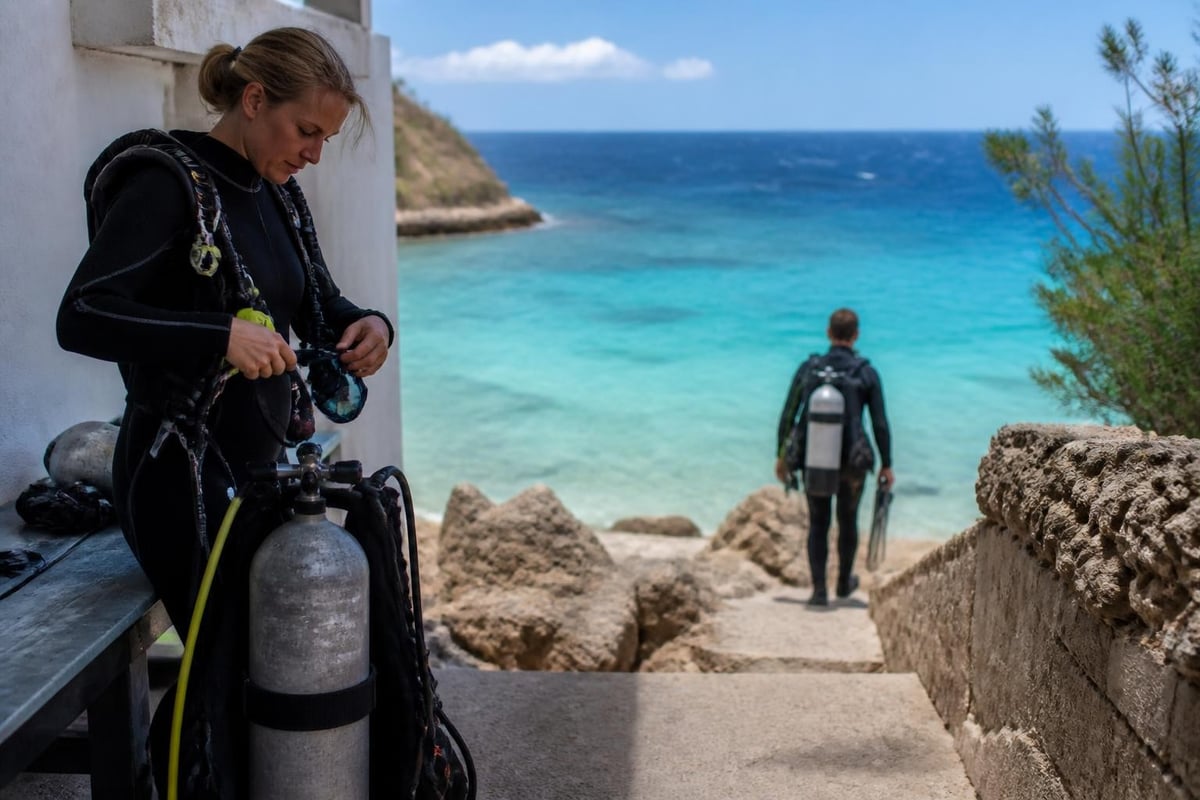
Shore Diving Excellence
The island features more than 80 marked dive sites, with approximately 60 accessible directly from shore. This accessibility makes Bonaire unique among Caribbean destinations, allowing divers to explore vibrant coral reefs without the need for expensive boat charters.
Popular dive sites include:
- 1000 Steps: A challenging but rewarding site with dramatic drop-offs and abundant marine life
- Salt Pier: An industrial pier transformed into an artificial reef teeming with schools of fish
- Hilma Hooker: A 236-foot shipwreck resting at 100 feet, perfect for advanced divers
- Klein Bonaire: A small uninhabited island offering pristine reef systems and crystal-clear visibility
The island's minimal rainfall and protected western coastline create consistently excellent diving conditions throughout the year. Divers discover spectacular underwater landscapes that have remained remarkably healthy compared to many other Caribbean destinations.
Snorkeling Paradise
Non-divers can experience equally impressive underwater scenery through snorkeling. The calm, shallow waters near shore provide excellent visibility and comfortable conditions for swimmers of all skill levels.
| Snorkel Site | Depth Range | Best For | Access Type |
|---|---|---|---|
| Te Amo Beach | 5-15 feet | Beginners, families | Shore entry |
| 1000 Steps | 10-30 feet | Intermediate swimmers | Shore with stairs |
| Klein Bonaire | 8-20 feet | All levels | Boat required |
| Lac Bay | 3-10 feet | Children, novices | Shore entry |
The shallow reefs burst with colorful parrotfish, angelfish, and trumpet fish that swim within arm's reach. Sea turtles frequently glide past snorkelers, completely unfazed by human presence.
Wind and Water Sports Beyond Diving
Bonaire's consistent trade winds and protected bays create exceptional conditions for surface water sports. The island attracts windsurfing and kiteboarding enthusiasts from around the world, particularly to Lac Bay on the eastern shore.
Windsurfing and Kiteboarding Hub
Lac Bay offers shallow, flat water protected by a barrier reef, making it ideal for both beginners learning the basics and advanced riders practicing freestyle tricks. Wind speeds averaging 15-25 knots from December through July create perfect conditions for these sports.
Several professional training centers operate along Lac Bay, offering equipment rentals and instruction for all skill levels. The warm water temperature, averaging 80°F year-round, allows for comfortable extended sessions without thick wetsuits.
Kayaking and Stand-Up Paddleboarding
The island's mangrove forests provide sheltered environments perfect for kayaking expeditions. Paddlers glide through narrow channels surrounded by twisted mangrove roots that serve as nurseries for juvenile fish and provide habitat for numerous bird species.
Stand-up paddleboarding has grown in popularity along Bonaire's calm western shore. The crystal-clear water allows paddlers to observe marine life swimming beneath their boards while enjoying a peaceful workout.
Flamingo Watching and Wildlife Encounters
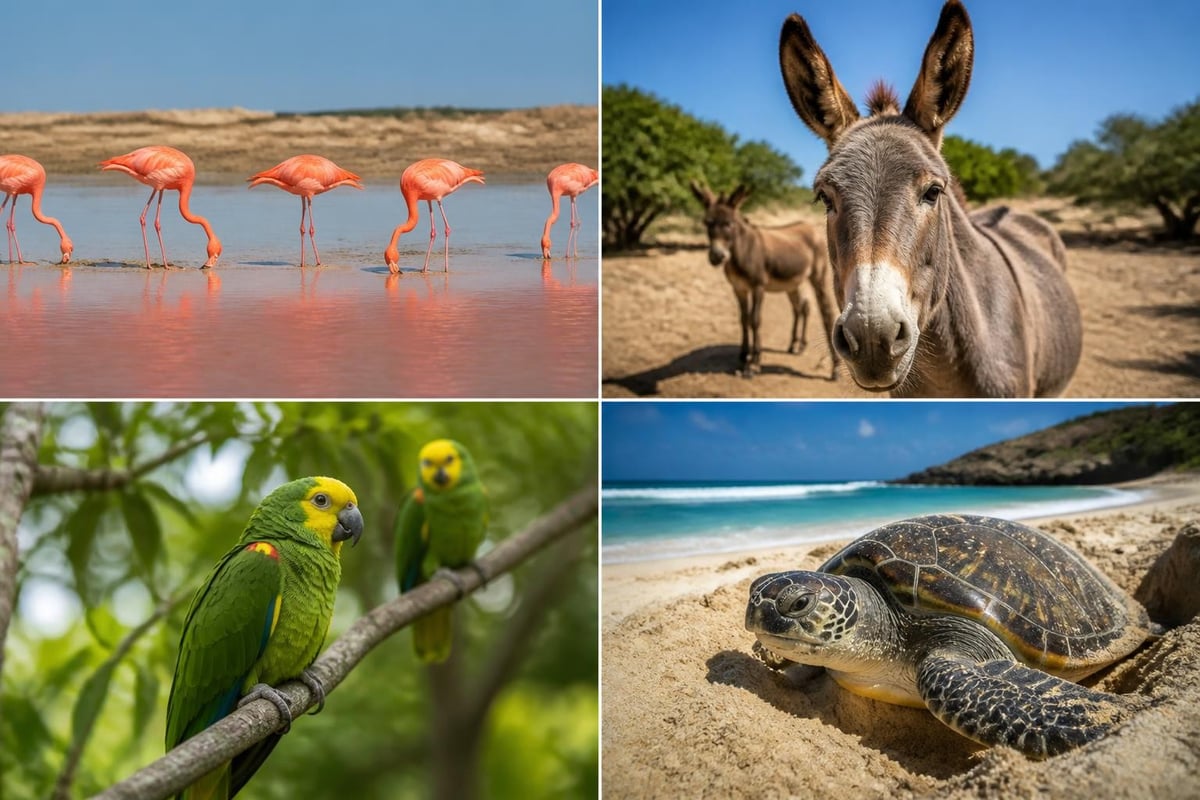
Among the most iconic things to do in Bonaire is observing the island's population of Caribbean flamingos. These striking pink birds inhabit several locations across the island, with the largest concentration found in the Pekelmeer Flamingo Sanctuary.
The sanctuary protects approximately 10,000 flamingos that nest in the southern salt pans. Wildlife enthusiasts can observe these magnificent birds from designated viewing areas without disturbing their natural behaviors.
Donkey Sanctuary
The Donkey Sanctuary Bonaire provides care for over 500 donkeys, descendants of animals brought to the island centuries ago to work in salt mines and agriculture. Visitors can interact with these gentle creatures, feed them treats, and learn about conservation efforts.
Washington Slingerland National Park covers approximately 13,500 acres of the island's northern region, protecting diverse ecosystems including desert landscapes, coastal cliffs, and hidden beaches. The park supports populations of iguanas, parrots, and various endemic species.
Exploring Bonaire's Cultural and Historical Sites
Beyond natural attractions, the island offers glimpses into its colonial past and the harsh realities of the salt industry that shaped its development.
Slave Huts and Salt Flats
The small white and red slave huts along the southern coast stand as sobering reminders of Bonaire's involvement in the salt trade during the 18th and 19th centuries. Enslaved workers lived in these cramped structures during the week while harvesting salt from the pans.
Today, the bright white salt pyramids create striking photographic opportunities against the blue Caribbean sky. The contrast between the colorful salt operations and the dark history provides important context for understanding the island's development.
Rincon: The Island's Oldest Settlement
Rincon, founded in the 16th century, served as the island's first permanent settlement. This hillside village features colorful traditional houses, local restaurants serving Bonairean cuisine, and a slower pace that contrasts with the coastal resort areas.
The weekly Rincon Market (held on weekends) showcases local crafts, fresh produce, and traditional foods. Visitors can sample local specialties like goat stew, funchi (a polenta-like side dish), and fresh fish prepared with island spices.
Beach Relaxation and Coastal Exploration
While Bonaire lacks the wide, powdery beaches found on some Caribbean islands, its coastline offers numerous intimate coves and stunning coastal scenery perfect for relaxation.
No Name Beach and Coco Beach
These neighboring beaches on Klein Bonaire provide the closest experience to a classic Caribbean beach setting. Accessible only by water taxi from Kralendijk, these beaches feature soft sand, clear turquoise water, and excellent snorkeling just offshore.
Pink Beach on the southern coast earns its name from the coral fragments that give the sand a subtle pink hue. The sheltered bay provides calm swimming conditions and spectacular sunset views.
| Beach Name | Best For | Facilities | Access |
|---|---|---|---|
| Te Amo Beach | Snorkeling, diving | Restaurants, showers | Shore, parking |
| Sorobon Beach | Windsurfing, relaxation | Restaurant, rentals | Shore, parking |
| Pink Beach | Swimming, photography | None (bring supplies) | 4WD recommended |
| Donkey Beach | Seclusion, nature | None | 4WD required |
Willemstoren Lighthouse
Standing at the southern tip of Bonaire, the Willemstoren Lighthouse has guided ships since 1837. The structure itself remains closed to visitors, but the surrounding area offers dramatic coastal views, tide pools filled with marine life, and opportunities to spot sea turtles coming ashore to nest during season.
Mountain Biking and Land-Based Adventures
Bonaire's relatively flat terrain and network of dirt roads create excellent conditions for mountain biking and off-road exploration. Several companies offer guided bike tours that showcase the island's inland attractions while providing exercise and adventure.
Washington Slingerland National Park Trails
The national park features several hiking trails ranging from easy walks to challenging climbs. The Brandaris Trail leads to the island's highest point at 784 feet, offering panoramic views across the entire island and neighboring Venezuela on clear days.
Cave Exploration
Several limestone caves dot the island's northern region, featuring ancient petroglyphs created by the indigenous Caquetio people. These rock drawings provide glimpses into pre-colonial life and spiritual practices.
Among the various things to do in Bonaire, exploring these caves combines physical adventure with cultural education. Guided tours help visitors understand the significance of these archaeological sites while protecting them from damage.
Culinary Experiences and Local Flavors
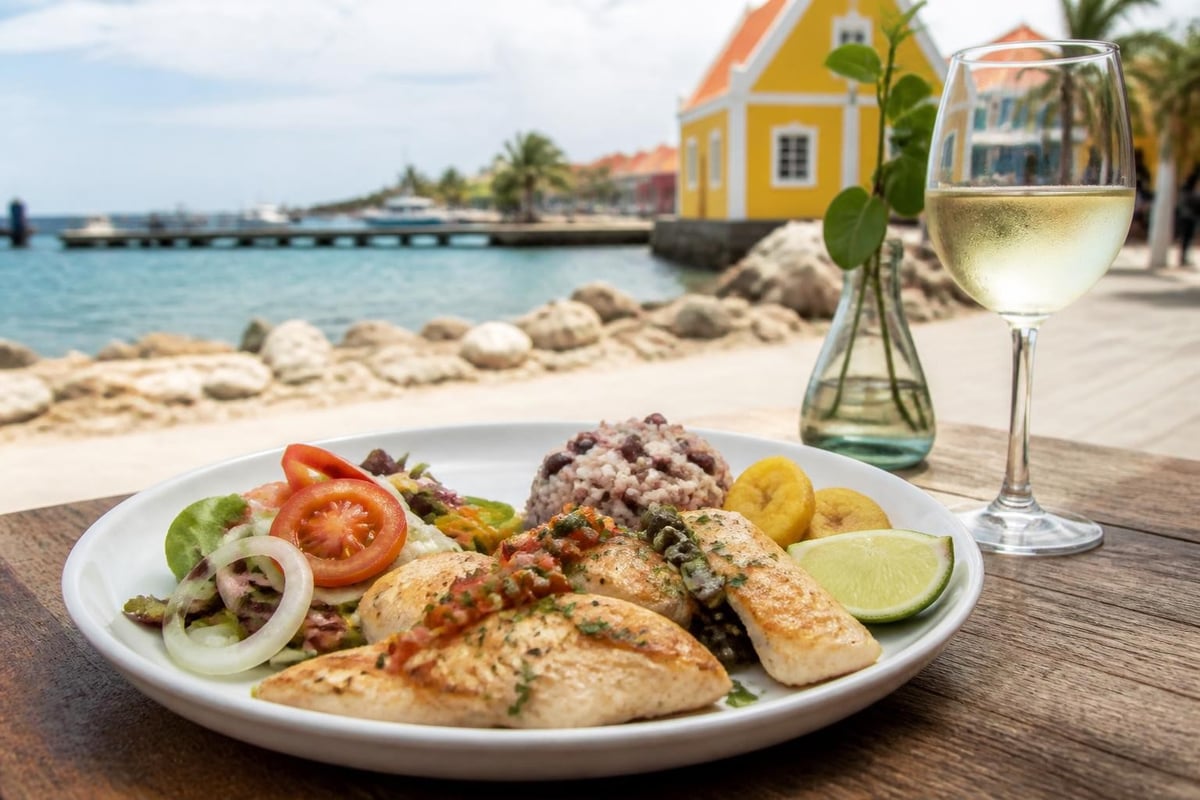
Bonaire's dining scene reflects its Dutch Caribbean heritage, incorporating influences from South America, Europe, and traditional island cooking. Fresh seafood dominates menus, with catches including mahi-mahi, wahoo, snapper, and grouper.
Waterfront Dining in Kralendijk
The capital city's waterfront promenade features numerous restaurants offering everything from casual beachside grills to upscale dining experiences. Outdoor seating allows diners to enjoy cooling trade winds while watching boats bob in the harbor.
Local markets and food trucks provide authentic Bonairean cuisine at budget-friendly prices. Friday night food truck gatherings at Wilhelmina Plaza have become a popular social event where visitors and residents mingle while sampling diverse dishes.
Sustainable Tourism and Conservation Efforts
Bonaire has positioned itself as a leader in sustainable tourism practices, with initiatives designed to protect the island's natural resources while welcoming visitors. The marine park fees, nature park admission, and visitor entry tax all contribute to conservation programs that maintain the pristine conditions that attract tourists.
Eco-Friendly Activities
Several tour operators emphasize low-impact activities that allow visitors to experience Bonaire's beauty without causing environmental damage. Electric bike rentals, solar-powered boat tours, and beach cleanup volunteer opportunities provide ways to enjoy the island responsibly.
The island's commitment to sustainability extends to accommodation options, with several hotels and resorts implementing water conservation, renewable energy, and waste reduction programs. Travelers can support these efforts by choosing certified eco-friendly properties and participating in conservation activities.
Kayaking Through Mangrove Forests
Lac Bay's extensive mangrove ecosystem creates a unique environment perfect for kayaking exploration. These twisted root systems serve critical ecological functions, filtering water, preventing erosion, and providing nursery habitat for countless marine species.
Guided kayak tours lead paddlers through narrow channels where they might spot juvenile fish, crabs, rays, and wading birds. The calm, protected waters make this activity suitable for families with children and beginners with no previous kayaking experience.
Shopping and Local Crafts
Kralendijk's compact downtown district offers duty-free shopping for jewelry, electronics, and luxury goods alongside boutiques featuring local artwork, handmade crafts, and island-themed souvenirs.
Artisan markets showcase works by local artists, including paintings depicting Bonaire's landscapes, handcrafted jewelry incorporating sea glass and shells, and woven goods made using traditional techniques. These purchases support the local creative community while providing unique mementos.
Practical Considerations for Your Visit
When planning things to do in Bonaire, visitors should consider the island's subtropical climate and prepare accordingly. The dry season from January through August offers the most predictable weather, though temperatures remain pleasant year-round.
Transportation typically involves rental vehicles, with many visitors choosing pickup trucks to access remote dive sites and beaches. The island's small size makes navigation straightforward, though some attractions require four-wheel-drive vehicles.
Before arriving, international visitors should be aware of the Bonaire visitor entry tax requirement. Paying this tax in advance streamlines the arrival process and helps fund the conservation and infrastructure improvements that maintain the island's attractions.
Annual Events and Cultural Celebrations
Bonaire's event calendar features several annual celebrations that provide insights into local culture while entertaining visitors. The Bonaire Regatta, held each October, attracts sailing enthusiasts from throughout the Caribbean for competitive races and festivities.
Dia di Rincon celebrates the island's oldest village with traditional music, dance performances, and food vendors offering local specialties. This September event provides authentic cultural experiences rarely found in tourist-focused activities.
The Bonaire Dive Festival draws diving professionals and enthusiasts for a week of workshops, night dives, and product demonstrations. Participants explore numerous dive sites while learning about marine conservation and underwater photography techniques.
Sunset Sailing and Boat Excursions
The island's western coastline provides spectacular sunset viewing opportunities, with several operators offering evening sailing cruises. These excursions typically include drinks and light snacks while guests relax on deck watching the sun sink into the Caribbean Sea.
Day trips to Klein Bonaire combine beach time with snorkeling adventures around this uninhabited island. The short boat ride provides opportunities to spot flying fish and occasionally dolphins playing in the wake.
Bonaire's combination of world-class diving, unique wildlife encounters, cultural experiences, and natural beauty creates an exceptional Caribbean destination that rewards extended exploration. Each visitor to this special island contributes to its preservation through the visitor entry tax, which funds essential conservation and infrastructure projects. To streamline your arrival and support these important initiatives, consider handling your entry requirements in advance through Bonaire Tourist Tax, allowing you to begin your island adventure without delays at arrival kiosks.