

Bonaire stands as one of the Caribbean's most pristine destinations, offering visitors an extraordinary blend of natural wonders, marine adventures, and cultural experiences. This small Dutch Caribbean island, located just 50 miles north of Venezuela, has earned its reputation as a diver's paradise while simultaneously captivating nature enthusiasts, adventure seekers, and travelers looking for authentic island experiences. Whether you're planning your first visit or returning to explore deeper, understanding what Bonaire to do activities are available will help you maximize your time on this remarkable island.
World-Class Diving and Snorkeling Adventures
Bonaire's underwater world remains the island's primary attraction, with over 80 designated dive sites accessible directly from shore. The island's commitment to marine conservation has created an underwater ecosystem that rivals any destination globally.
Shore Diving at Your Convenience
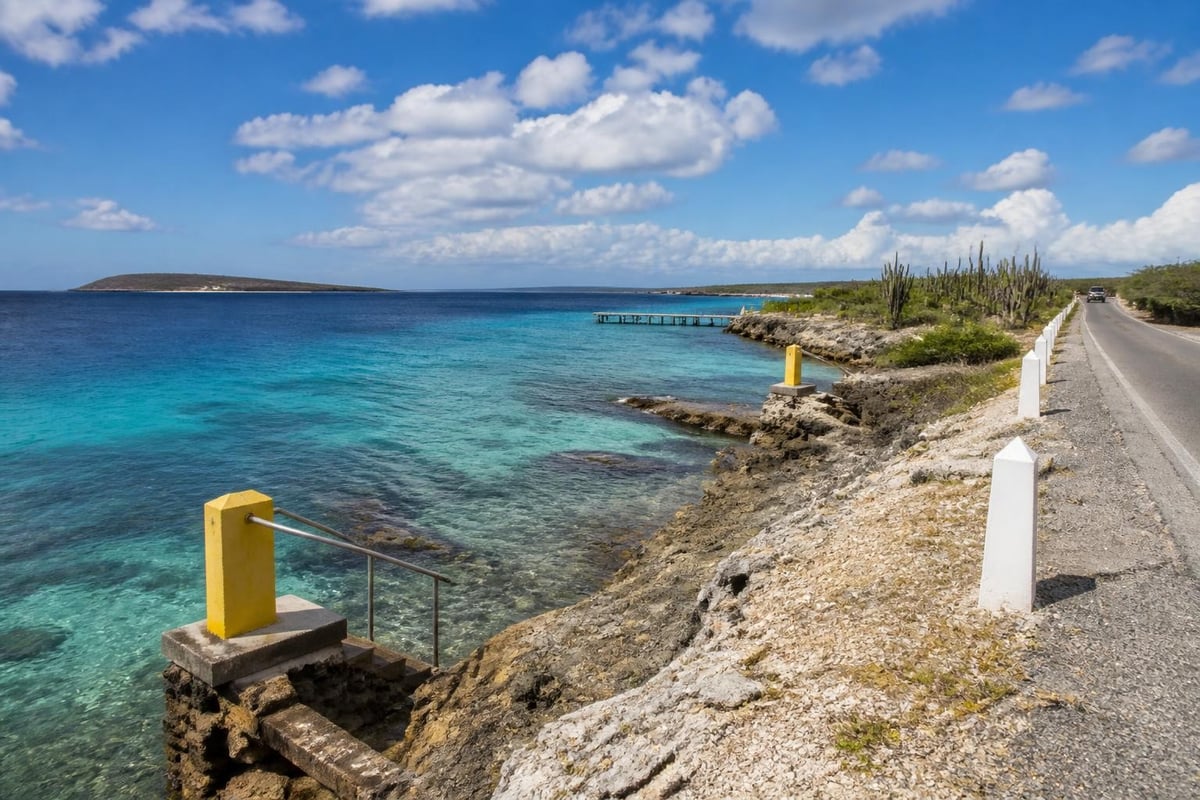
The beauty of Bonaire's dive culture lies in its accessibility. Most dive sites feature yellow-painted rocks marking entry and exit points along the coastal road, making it simple for divers to explore independently.
Top shore diving locations include:
- 1000 Steps: Despite its intimidating name (there are actually only 67 steps), this site offers spectacular coral formations and abundant marine life
- Klein Bonaire: A small uninhabited island offering pristine coral reefs accessible by short boat rides
- Karpata: Known for deep walls and excellent visibility exceeding 100 feet
- Salt Pier: An advanced dive site featuring dramatic structures and large schools of fish
The island's marine park protection ensures these sites remain vibrant for generations. Best activities on Bonaire consistently highlight diving as the cornerstone experience, but the island offers far more diversity than many visitors initially realize.
Snorkeling for All Skill Levels
Not every visitor arrives as a certified diver, yet the island's shallow reefs make snorkeling equally rewarding. Many dive sites transition seamlessly into snorkeling locations, where crystal-clear waters reveal colorful parrotfish, sea turtles, and vibrant coral gardens just feet below the surface.
Bachelor's Beach stands out as an ideal snorkeling destination for families and beginners, offering calm waters and easy beach access. The reef here starts in shallow water, allowing even nervous swimmers to enjoy the underwater spectacle without venturing far from shore.
Exploring Washington Slagbaai National Park
When considering what Bonaire to do beyond the water, Washington Slagbaai National Park represents the island's terrestrial treasure. This 13,500-acre preserve covers roughly 20% of Bonaire's total land area and showcases diverse ecosystems ranging from desert landscapes to coastal cliffs.
Hiking and Wildlife Watching
The park features two driving routes-the shorter 15-mile route and the longer 22-mile route-each offering distinct perspectives on Bonaire's natural environment. Along these paths, visitors encounter flamingos wading through saltwater lakes, wild goats navigating rocky hillsides, and endemic species like the Bonaire parrot.
| Trail Name | Distance | Difficulty | Highlights |
|---|---|---|---|
| Brandaris Hill | 2.4 miles | Challenging | Island's highest point, panoramic views |
| Subi Brandaris | 1.5 miles | Moderate | Limestone formations, bird watching |
| Boka Chikitu | 0.8 miles | Easy | Coastal scenery, blow holes |
Serious hikers tackle Brandaris Hill, Bonaire's highest point at 784 feet, where the summit rewards with 360-degree views spanning the entire island and, on clear days, neighboring Curaçao.
Beach Hopping Within the Park
Washington Slagbaai contains several secluded beaches perfect for picnicking and swimming. Boka Slagbaai offers protected waters ideal for families, while Playa Funchi attracts those seeking solitude. These beaches rarely see crowds, providing authentic Caribbean beach experiences without commercial development.
Windsurfing and Kiteboarding Paradise
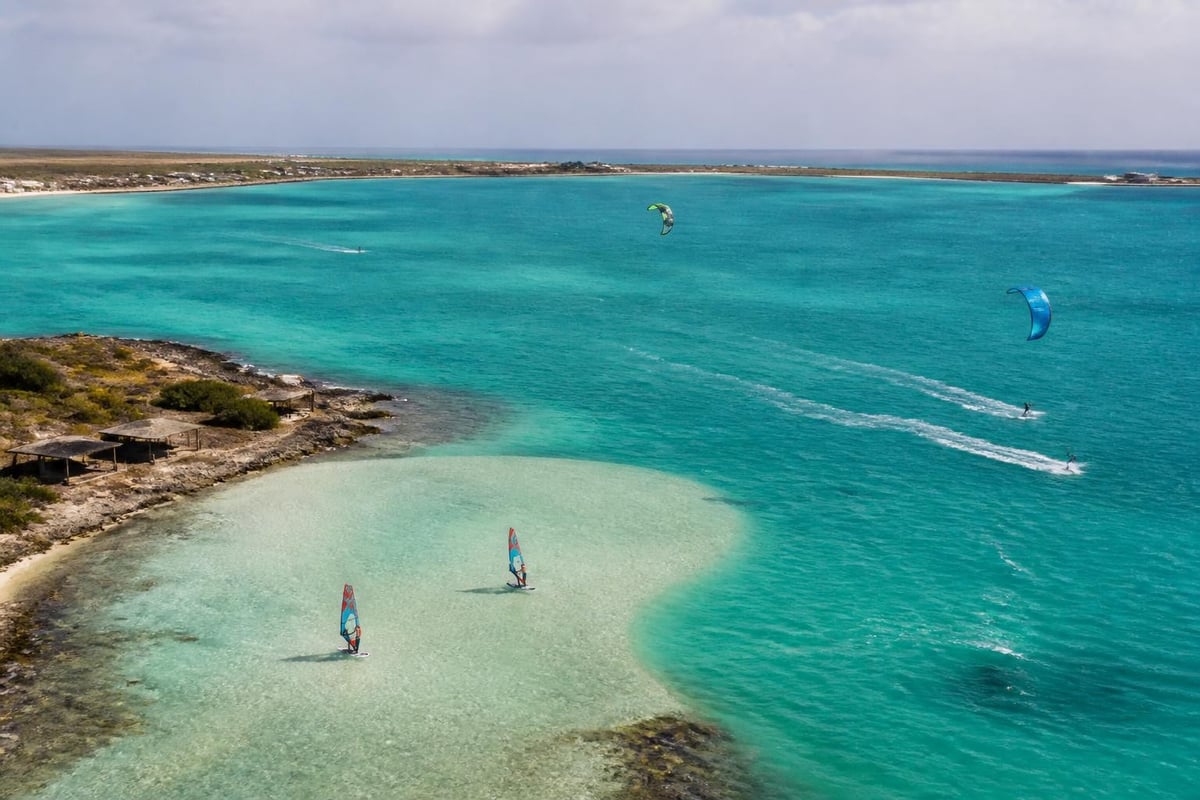
Bonaire's consistent trade winds have established the island as one of the world's premier windsurfing and kiteboarding destinations. The shallow waters of Lac Bay create ideal conditions for both beginners and experts.
Lac Bay's Perfect Conditions
Lac Bay's protected lagoon features waist-deep water extending hundreds of yards from shore, providing the perfect learning environment. The steady 15-25 knot winds blow almost daily, creating reliable conditions that professional athletes and enthusiasts seek year-round.
Wind sports advantages in Bonaire:
- Consistent trade winds from May through August
- Flat water conditions ideal for freestyle tricks
- Multiple rental shops and instruction centers
- Designated zones separating beginners from advanced riders
- Warm water temperatures requiring minimal wetsuit protection
Several operations around Lac Bay offer equipment rentals and lessons, making it accessible for visitors who want to try these exhilarating sports without investing in their own gear.
Cultural Experiences and Island Heritage
Understanding what Bonaire to do from a cultural perspective reveals the island's rich history and vibrant local traditions. Kralendijk, the charming capital city, serves as the cultural heart where colonial architecture meets modern Caribbean life.
Downtown Kralendijk Walking Tour
The compact downtown area features colorful Dutch colonial buildings housing restaurants, boutiques, and local shops. Wilhelmina Park along the waterfront provides shaded spaces where locals gather, offering visitors authentic glimpses into daily island life.
Notable cultural sites include the historic Fort Oranje, built in 1639, which now houses government offices but remains open for visitors to explore its ramparts and learn about Bonaire's colonial past. The nearby slave huts at Rode Pan stand as sobering reminders of the island's darker history, preserved as UNESCO heritage sites.
Friday Night Market
Every Friday evening, locals and visitors converge on Wilhelmina Park for the island's social highlight. Food vendors serve traditional dishes including goat stew, fresh fish, and pastechi (savory pastries), while live music creates a festive atmosphere. This weekly gathering represents authentic Bonaire culture and provides opportunities to interact with residents beyond typical tourist environments.
Wildlife Encounters and Nature Reserves
Beyond marine life, Bonaire hosts remarkable terrestrial wildlife that adds unique dimensions to any visitor's itinerary when planning Bonaire to do activities.
Donkey Sanctuary
The Bonaire Donkey Sanctuary cares for over 600 wild donkeys descended from animals brought by Spanish colonizers centuries ago. Visitors can tour the sanctuary, feed the friendly donkeys, and learn about conservation efforts protecting these beloved island residents. The sanctuary operates entirely on donations and visitor support, making it both an educational and philanthropic destination.
Flamingo Viewing Locations
Bonaire's southern salt pans host one of the Caribbean's largest flamingo populations. These brilliant pink birds gather in large flocks, creating spectacular photo opportunities against the island's bright blue skies and white salt mountains.
The best flamingo viewing occurs at:
- Pekelmeer Flamingo Sanctuary: Restricted access area viewable from designated overlooks
- Solar Salt Works: Active salt production facility where flamingos feed in shallow ponds
- Goto Lake: Freshwater lake within Washington Slagbaai National Park
- Lac Bay: Occasional flamingo sightings while windsurfing or kayaking
Photographers should visit early morning or late afternoon when soft light enhances the birds' vibrant coloring and feeding activity peaks.
Adventure Sports and Unique Activities
When exploring comprehensive Bonaire to do options, several distinctive activities set this island apart from typical Caribbean destinations.
Mountain Biking Trails
Bonaire's flat coastal areas and hilly interior create diverse mountain biking opportunities. Several companies offer guided tours through Kunuku trails-traditional Bonairian pathways crossing private properties-revealing hidden aspects of the island inaccessible by car.
The trails wind through cacti forests, past colonial-era ruins, and along dramatic coastlines. Riders encounter wild goats, numerous bird species, and vegetation ranging from aloe plants to divi-divi trees sculpted by constant trade winds.
Kayaking Mangrove Forests
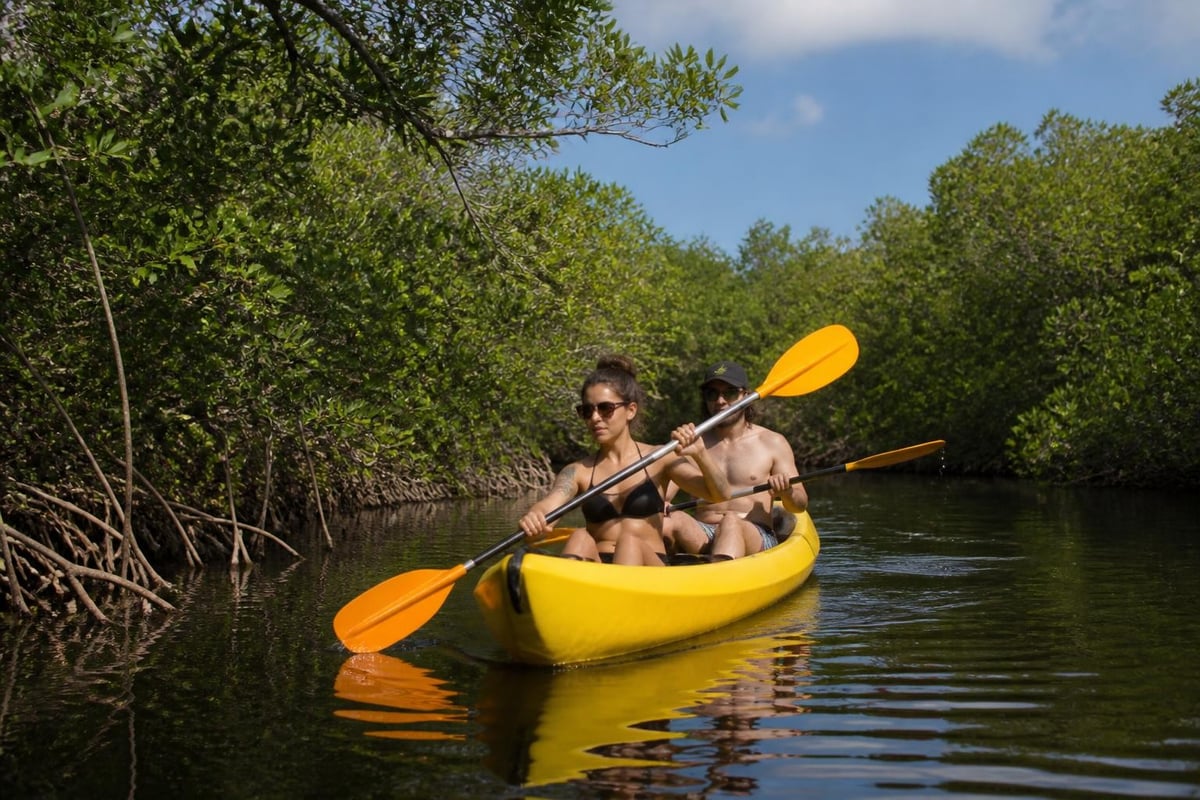
The island's mangrove ecosystems provide critical nursery habitats for juvenile fish while offering peaceful paddling experiences. Guided kayak tours through Lac Bay's mangrove channels reveal an intricate world where roots create underwater forests teeming with small fish, crabs, and juvenile reef species.
These diverse experiences extend well beyond diving, showcasing Bonaire's multifaceted appeal to different types of travelers.
Sailing and Boat Excursions
The waters surrounding Bonaire offer excellent sailing conditions, with numerous operators providing sunset cruises, day sails to Klein Bonaire, and private charters.
Klein Bonaire Day Trips
This uninhabited island located just offshore serves as a protected nature reserve with some of the Caribbean's healthiest coral reefs. Multiple operators run daily trips, typically including snorkeling equipment, lunch, and several hours to explore the island's beaches and underwater environments.
The island features no facilities or development, preserving its pristine character. Visitors must bring all supplies and remove all waste, maintaining the conservation ethos that protects Bonaire's natural resources.
Sunset Sailing
Evening cruises along Bonaire's leeward coast provide romantic alternatives to beach-based activities. These typically include open bars, light appetizers, and opportunities to spot dolphins, flying fish, and sea turtles while the sun sets behind Bonaire's silhouette.
Culinary Experiences and Local Flavors
Exploring Bonaire to do lists should include the island's emerging culinary scene, which blends Dutch influences with Caribbean traditions and fresh seafood.
Fresh Seafood Restaurants
Bonaire's restaurants serve catch-of-the-day including mahi-mahi, wahoo, and red snapper, often prepared with local spices and traditional cooking methods. Several waterfront establishments offer dock-to-table dining where fishing boats deliver directly to restaurant kitchens.
Must-try local dishes:
- Keshi yena: Stuffed cheese with spiced meat
- Sopi di pisca: Traditional fish soup
- Pastechi: Fried pastries with various fillings
- Funchi: Cornmeal side dish similar to polenta
- Fresh lionfish: Invasive species now featured on menus
The lionfish initiative particularly demonstrates Bonaire's environmental consciousness, turning an ecological threat into a culinary opportunity while helping protect reef ecosystems.
Cooking Classes and Food Tours
Several operators now offer cooking classes teaching traditional Bonairian recipes, providing hands-on cultural experiences that visitors can recreate at home. These typically include market visits to select fresh ingredients followed by preparation and dining experiences.
Cave Exploration and Geological Wonders
Bonaire's limestone geology created numerous caves featuring indigenous Arawak petroglyphs and stalactite formations. Several caves remain accessible to visitors willing to venture off typical tourist paths.
Notable Cave Systems
| Cave Name | Features | Access Level |
|---|---|---|
| Spelonk Cave | Ancient petroglyphs, historical significance | Easy access, guided tours available |
| Bonaire Caves | Multiple chambers, bat colonies | Moderate difficulty, flashlight required |
| Barkadera Cave | Arawak drawings, archaeological importance | Challenging access, local guide recommended |
These geological formations provide glimpses into Bonaire's ancient past when indigenous peoples inhabited the island thousands of years before European contact. Conservation efforts protect these and other natural resources ensuring future generations can appreciate Bonaire's heritage.
Practical Planning Considerations
Before exploring everything Bonaire to do, visitors should understand logistical aspects that enhance their experience. The island operates on a different pace than many Caribbean destinations, emphasizing self-sufficiency and environmental respect.
Transportation and Getting Around
Rental vehicles provide the best way to explore Bonaire independently. Most dive sites, beaches, and attractions lack public transportation access, making cars or trucks essential for visitors wanting to maximize their itinerary.
Many visitors rent pickup trucks specifically for diving, as they accommodate tanks, gear, and multiple passengers while handling unpaved roads leading to remote locations. Several rental companies operate directly at Flamingo International Airport and throughout Kralendijk.
Entry Requirements and Visitor Fees
Before arriving, international visitors should prepare for entry requirements including valid passports and, depending on nationality, possible visa requirements. Since July 2022, Bonaire requires all visitors to pay the visitor entry tax, which replaced previous room and rental car taxes. These funds support education, infrastructure, tourism development, and sustainability initiatives across the island. Paying this fee in advance streamlines your arrival process and helps you avoid queues at airport kiosks.
Best Times to Visit
Bonaire's location outside the hurricane belt means consistent weather year-round, though subtle seasonal variations exist:
- Peak season (December-April): Driest months with slightly cooler temperatures and highest visitor numbers
- Shoulder season (May-June, November): Excellent conditions with fewer crowds and better accommodation rates
- Summer months (July-October): Warmest temperatures, strongest winds for water sports, occasional brief rain showers
The island never experiences true crowds like many Caribbean destinations, making even peak season comfortable for visitors seeking authentic experiences.
Photography and Scenic Viewpoints
When determining what Bonaire to do for photography enthusiasts, the island offers countless opportunities from underwater macro photography to landscape vistas.
Top Scenic Overlooks
Several elevated positions provide spectacular views across the island and surrounding waters. Seru Largu, accessible via a moderately challenging hike, offers panoramic perspectives encompassing Kralendijk, Klein Bonaire, and the southern coast.
The drive through Washington Slagbaai National Park passes numerous viewpoints where photographers capture Bonaire's rugged northern coastline, where waves crash against volcanic rock formations creating dramatic scenes particularly during golden hour.
Underwater Photography Opportunities
Bonaire's clear waters and abundant marine life create ideal conditions for underwater photography. The house reef at many dive resorts allows unlimited photography practice just steps from accommodations. Several local operators offer underwater photography courses and equipment rentals for visitors wanting to capture their marine encounters professionally.
Comprehensive guides to island activities often emphasize photography opportunities, recognizing that visual documentation has become integral to modern travel experiences.
Sustainable Tourism Practices
Bonaire's environmental consciousness permeates every aspect of island life, making sustainable tourism not just encouraged but expected. Understanding and respecting these practices enhances visitor experiences while protecting the island's natural resources.
Marine Park Regulations
All marine activities occur within the Bonaire National Marine Park, which encompasses the entire coastline from the high-water mark to 200 feet deep. Park regulations prohibit touching, collecting, or damaging marine life and coral, with substantial fines for violations.
Divers must complete a mandatory orientation dive and purchase annual park tags, while snorkelers pay daily fees. These requirements fund marine conservation efforts that maintain the healthy reefs attracting visitors worldwide.
Reef-Safe Practices
Bonaire has implemented strict regulations regarding sunscreen, requiring reef-safe formulations that don't contain oxybenzone or octinoxate-chemicals proven harmful to coral. Many accommodations provide reef-safe sunscreen in rooms, and shops throughout the island stock only approved products.
Additional sustainable practices visitors should follow:
- Never stand on or touch coral formations
- Maintain proper buoyancy to avoid accidental contact
- Dispose of all waste properly, never in the ocean
- Support local businesses prioritizing environmental protection
- Participate in beach cleanups or conservation programs if available
Events and Seasonal Celebrations
While considering comprehensive Bonaire to do activities, timing visits around island events adds cultural dimensions to typical vacation experiences.
Annual Festivals
Bonaire hosts several recurring events drawing both locals and international visitors. The Bonaire Regatta, held annually in October, transforms the waterfront into a celebration of sailing, music, and local culture. The Bonaire Dive Festival celebrates the island's diving heritage with special events, seminars, and underwater photography competitions.
Carnival festivities, though smaller than those on neighboring islands, showcase Bonairian culture through parade floats, traditional music, and street celebrations occurring in the weeks before Lent.
Weekly Happenings
Beyond Friday night markets, various venues host regular events including live music at waterfront restaurants, trivia nights at expat gathering spots, and art exhibitions at local galleries. Checking community bulletin boards and asking locals reveals these informal gatherings that provide authentic cultural exchanges.
Wellness and Relaxation Options
Not every Bonaire to do activity requires adventure or exertion. The island offers peaceful alternatives for visitors seeking restoration and relaxation.
Yoga and Meditation
Several studios and resorts offer yoga classes in stunning settings-beachfront pavilions, garden spaces, and sunset terraces. These sessions range from gentle restorative practices to challenging vinyasa flows, accommodating practitioners of all levels.
Some operators combine yoga with stand-up paddleboarding, creating unique experiences where participants flow through poses while floating on calm Caribbean waters.
Spa Treatments
While Bonaire lacks large resort spas common on other Caribbean islands, several small operations offer massage, facials, and body treatments using local ingredients like aloe and sea salt. These intimate settings provide personalized attention often missing from larger commercial operations.
Bonaire offers extraordinary diversity beyond its well-deserved reputation as a diving paradise, with activities spanning wildlife encounters, cultural immersion, adventure sports, and peaceful relaxation. When planning your visit, remember that all international visitors must complete entry requirements including the visitor tax-handling this in advance through Bonaire Tourist Tax streamlines your arrival and ensures these funds support the conservation and infrastructure projects that keep this special island pristine for future generations.