

Bonaire, a special municipality of the Netherlands located in the southern Caribbean, has become increasingly popular among travelers seeking pristine diving conditions, unspoiled beaches, and authentic Caribbean culture. When planning your visit to this Dutch Caribbean island, understanding the bonaire tourist tax system is essential for a smooth arrival experience. Since July 1, 2022, the island has implemented a streamlined entry tax that replaced the previous room tax and rental car tax, making the payment process more efficient for international visitors while supporting critical island infrastructure and sustainability initiatives.
Understanding Bonaire's Unique Island Character
Bonaire stands apart from typical Caribbean destinations through its commitment to environmental preservation and sustainable tourism. The island spans approximately 111 square miles and maintains a population of around 22,000 residents, creating an intimate atmosphere where natural beauty takes center stage. Unlike neighboring islands that prioritize large resort developments, Bonaire has deliberately focused on eco-tourism and marine conservation.
The island's economy relies heavily on tourism, with diving enthusiasts representing a significant portion of annual visitors. Bonaire National Marine Park, established in 1979, encompasses the entire coastline from the high-water mark to a depth of 200 feet, making it one of the world's most successful marine conservation areas. This protected status has helped preserve the island's spectacular coral reefs and diverse marine ecosystems.
Climate and Best Time to Visit
Bonaire enjoys consistently warm weather throughout the year, with average temperatures ranging from 78°F to 88°F. The island sits outside the hurricane belt, making it a reliable destination even during traditional hurricane season. Trade winds provide natural cooling, particularly on the eastern windward coast where windsurfing conditions are exceptional.
The dry season extends from December through April, attracting peak visitor numbers during this period. However, the island offers excellent diving and outdoor activities year-round. Rain is minimal, with Bonaire receiving only about 22 inches annually, contributing to the arid landscape characterized by cacti and divi-divi trees.
Cultural Heritage and Local Community
The island's rich cultural tapestry reflects Dutch, Caribbean, and Latin American influences. Papiamento serves as the primary spoken language, though Dutch remains the official language, and English is widely understood in tourist areas. This trilingual environment creates a welcoming atmosphere for international visitors while preserving local cultural identity.
Kralendijk, the capital and primary settlement, showcases colorful Dutch colonial architecture alongside modern amenities. The town maintains a relaxed, walkable atmosphere where visitors can explore local shops, restaurants, and historical sites. The weekly Bonaire Culinair food truck event has become a beloved gathering place where locals and tourists enjoy authentic Caribbean cuisine.
Traditional Festivals and Events
Throughout the year, Bonaire hosts various cultural celebrations that offer insights into island traditions. Maskarada, the local carnival celebration, features vibrant costumes, music, and street parades occurring in February or March. The Bonaire Regatta, held annually in October, combines competitive sailing with beach parties and live music, reflecting the island's maritime heritage.
Simadan, a traditional harvest festival dating back to slavery times, celebrates the end of the agricultural season with dancing, singing, and traditional foods. These events provide authentic cultural experiences beyond typical tourist activities, connecting visitors with the island's living heritage.
| Festival | Month | Highlights |
|---|---|---|
| Carnival (Maskarada) | February-March | Parades, costumes, street dancing |
| Bonaire Regatta | October | Sailing competitions, beach parties |
| Simadan Harvest Festival | September | Traditional music, local cuisine |
| Dia di Rincon | April | Cultural celebration in oldest village |
Natural Attractions and Outdoor Activities
Washington Slagbaai National Park occupies the northwestern portion of the island, covering approximately 5,643 hectares of protected wilderness. This diverse landscape includes secluded beaches, salt lakes, and hills reaching 784 feet at Brandaris, the island's highest point. Visitors can explore the park via two designated routes, spotting indigenous wildlife including flamingos, iguanas, and various bird species.
The park's beaches offer unique experiences, from the white sand of Boka Slagbaai to the dramatic limestone formations at Boka Kokolishi. Snorkeling opportunities abound throughout the park, with several secluded coves providing exceptional underwater visibility and marine diversity. The park charges a separate entrance fee, which contributes directly to conservation efforts.
Flamingo Populations and Salt Pans
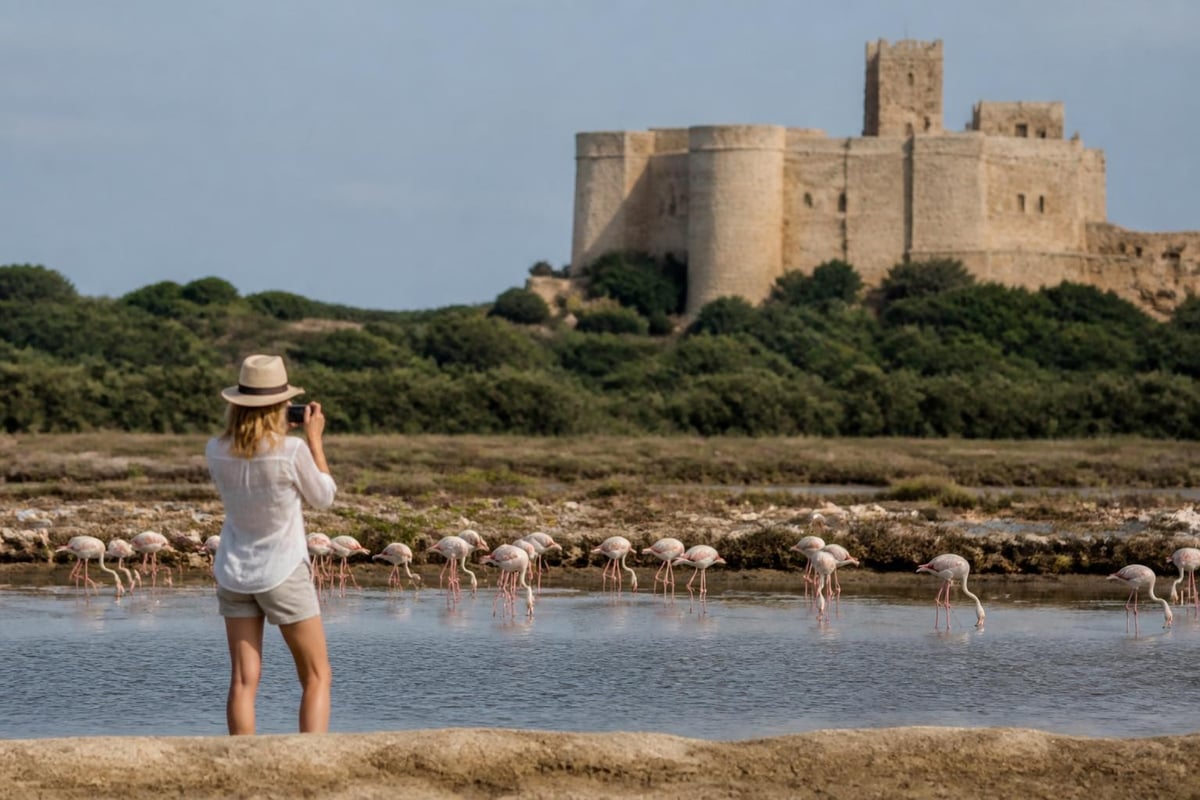
Bonaire hosts one of the Caribbean's largest flamingo populations, with thousands of birds gathering at Pekelmeer Flamingo Sanctuary in the southern salt pans. These distinctive pink birds have become an iconic symbol of the island, featured prominently in tourist photography and local branding. The flamingos feed on brine shrimp in the salt flats, which gives them their characteristic coloring.
Visitors can observe flamingos from designated viewing areas, though approaching too closely is prohibited to protect nesting sites. The southern portion of the island features historic slave huts painted in bright colors, serving as poignant reminders of the island's salt industry history and the enslaved people who worked these harsh conditions.
Diving and Marine Recreation
Bonaire's reputation as a diver's paradise stems from its exceptional shore diving accessibility and pristine reef conditions. The island features over 80 designated dive sites marked with yellow stones along the coastal road, allowing independent exploration without mandatory boat trips. This accessibility, combined with consistently clear waters and healthy coral systems, attracts divers of all skill levels.
The Bonaire National Marine Park requires all divers and snorkelers to purchase an annual nature tag, with proceeds funding marine conservation efforts. Popular dive sites include the famous 1000 Steps, despite actually having only 67 steps down to the water, and the stunning double reef system at Andrea I and II. Night diving opportunities reveal different marine species, including octopi, moray eels, and sleeping parrotfish.
Windsurfing and Kiteboarding
Lac Bay, located on the eastern shore, ranks among the world's premier windsurfing destinations. The shallow bay's consistent trade winds create ideal conditions for both beginners learning the sport and advanced sailors performing aerial maneuvers. Several professional windsurfing schools operate from the bay, offering instruction and equipment rental.
The combination of warm water, steady winds averaging 15-25 knots, and waist-deep conditions makes Lac Bay particularly suitable for progression in the sport. Kiteboarding has gained popularity in recent years, with designated areas separating the two activities to ensure safety for all water sports enthusiasts.
Tourism Infrastructure and Accommodations
Unlike islands dominated by all-inclusive resorts, Bonaire's accommodation landscape consists primarily of small hotels, guesthouses, and vacation rentals. This approach to tourism development aligns with the island's sustainable tourism philosophy, distributing economic benefits throughout the local community rather than concentrating them in large corporate properties.
Dive resorts cater specifically to underwater enthusiasts, offering facilities like tank storage, equipment washing areas, and direct beach access. Many properties feature full kitchens, allowing visitors to shop at local markets and prepare meals, creating opportunities to experience authentic island cuisine and interact with residents at grocery stores and fish markets.
Restaurant Scene and Local Cuisine
The island's restaurant diversity reflects its multicultural population, offering everything from traditional Caribbean dishes to Indonesian rijsttafel, reflecting Dutch colonial connections. Fresh seafood dominates menus, with local favorites including lionfish, promoted as a sustainable choice due to its invasive status in Caribbean waters, and locally caught mahi-mahi and snapper.
- Authentic Bonairean dishes feature stobá (Caribbean stew) and kadushi (cactus soup)
- Indonesian restaurants serve nasi goreng and satay, reflecting Dutch Caribbean heritage
- Food trucks at Bonaire Culinair offer affordable local specialties every Friday evening
- Waterfront dining in Kralendijk provides sunset views alongside international cuisine
- Local bakeries produce traditional pan dushi (sweet bread) and pastechis (savory pastries)
Practical Visitor Information
Transportation on the island relies primarily on personal vehicles, as public transportation options are limited. Rental cars and trucks are widely available, though many visitors opt for pickup trucks to transport diving gear and access remote beaches. The island is small enough to drive from north to south in approximately 90 minutes, making all attractions easily accessible.
Getting around requires awareness of local driving customs and road conditions. While main routes are paved, accessing certain national park areas and remote dive sites involves unpaved roads requiring careful navigation. Speed limits are clearly marked, and traffic is generally light except during morning and afternoon commute times in Kralendijk.

Currency and Payment Methods
The official currency is the United States dollar, though some businesses also accept Antillean guilders. Most establishments accept credit cards, though carrying some cash remains advisable for smaller vendors, food trucks, and certain activities. ATMs are available in Kralendijk and at the airport for convenient cash access.
Tipping practices generally follow American standards, with 10-15% considered appropriate for restaurant service, though some establishments include service charges automatically. For dive guides and tour operators, tipping is discretionary but appreciated for exceptional service.
Visitor Entry Requirements and Taxes
Understanding the bonaire tourist tax helps visitors prepare financially for their trip while appreciating how these funds support the island's development. The implementation of the entry tax system streamlined previous separate charges into a single payment, simplifying the process for arrivals while ensuring sustainable funding for crucial island initiatives.
International visitors of all ages must pay the visitor entry tax upon arrival, replacing the previous system of room tax and rental car tax. The funds collected through this program are specifically designated for education improvements, infrastructure development, tourism promotion, and environmental sustainability projects throughout the island. This investment directly enhances the visitor experience through better roads, improved public facilities, and enhanced natural resource protection.
Travelers can complete their payment before arrival using the online application form, which significantly reduces wait times at the airport and streamlines the entry process. Early payment through the official portal allows visitors to proceed quickly through customs without queuing at payment kiosks, getting their vacation started without delays.
Tax Exemptions and Special Cases
Certain categories of visitors qualify for exemptions from the tourist tax requirement, including residents of Bonaire, children under specific age thresholds for certain programs, and official government visitors conducting business. Understanding these exemption categories and requirements helps travelers determine their obligations before arrival.
Transit passengers not leaving the airport and crew members working on vessels or aircraft typically do not need to pay the entry tax. However, if these individuals choose to enter the island proper during layovers or time off duty, they become subject to the standard visitor tax requirements.
Environmental Responsibility and Conservation
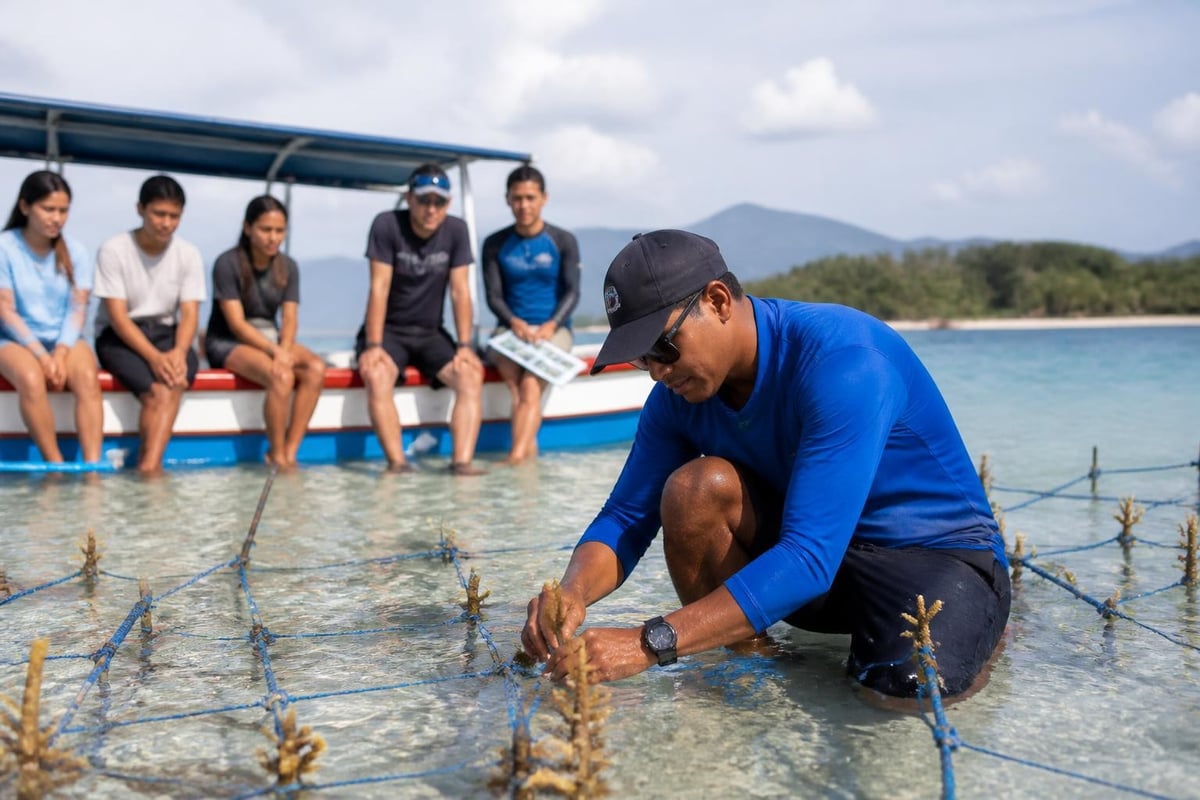
Bonaire's commitment to environmental stewardship extends beyond marine protection to encompass the entire island ecosystem. The Bonaire National Parks Foundation (STINAPA) manages both the marine park and Washington Slagbaai National Park, implementing conservation programs funded partly through visitor fees and entry taxes. These initiatives include coral restoration projects, invasive species management, and wildlife monitoring programs.
Visitors play a crucial role in conservation success through responsible behavior and participation in eco-friendly activities. The island has banned single-use plastics in many contexts, and businesses increasingly adopt sustainable practices. Reef-safe sunscreen usage is strongly encouraged to protect coral health, and several dive shops refuse to fill tanks for divers using harmful chemicals.
Sustainable Tourism Practices
The island's sustainable tourism model balances economic development with environmental protection and cultural preservation. Rather than pursuing mass tourism, Bonaire focuses on attracting environmentally conscious visitors who appreciate nature-based activities and contribute to conservation efforts. This approach maintains the island's character while generating sufficient income for residents and conservation programs.
Educational programs inform visitors about proper diving etiquette, wildlife viewing protocols, and waste management expectations. Many accommodations participate in energy conservation programs, using solar power and implementing water-saving measures appropriate for the arid climate. These collective efforts ensure Bonaire remains an unspoiled destination for future generations.
Shopping and Local Crafts
While Bonaire is not a duty-free shopping destination like some Caribbean islands, Kralendijk offers various shopping opportunities featuring local crafts and specialty items. Hand-painted artwork depicting island scenes, locally made jewelry incorporating shells and sea glass, and traditional crafts produced by island artisans make meaningful souvenirs that support the local economy.
Several galleries showcase work by resident artists, including paintings, photography, and sculptures inspired by Bonaire's landscapes and marine life. The weekly Rincon Marshé features local vendors selling produce, crafts, and prepared foods, providing authentic cultural immersion and opportunities to interact directly with island residents.
Safety and Health Considerations
Bonaire maintains a reputation as one of the Caribbean's safest destinations, with low crime rates and a welcoming atmosphere for international visitors. Standard travel precautions apply, such as securing valuables and being aware of surroundings, but violent crime against tourists remains extremely rare. The island's small size and close-knit community contribute to overall safety.
Healthcare facilities include a modern hospital in Kralendijk with emergency services and specialist care, though serious medical situations may require medical evacuation to neighboring islands or the mainland. Comprehensive travel insurance covering medical evacuation is strongly recommended. Dive accident insurance through DAN or similar organizations provides peace of mind for underwater activities.
| Health Consideration | Recommendation |
|---|---|
| Sunscreen | Reef-safe only, high SPF for intense sun |
| Hydration | Increase water intake in arid climate |
| Marine injuries | Know location of hyperbaric chamber |
| General health | Basic travel insurance plus dive coverage |
Planning your Bonaire adventure involves understanding not just the logistical requirements but also appreciating the island's commitment to sustainable development and environmental conservation. The entry tax system represents a thoughtful approach to funding essential services while maintaining the natural beauty that attracts visitors from around the world. To ensure a smooth arrival and support the island's ongoing development initiatives, Bonaire Tourist Tax provides a convenient platform for completing your visitor tax payment before departure, allowing you to begin your Caribbean experience without delays at the airport kiosk.